
Security Monitoring for AI Agents: How to Detect Dangerous Tool Use Before Damage Happens
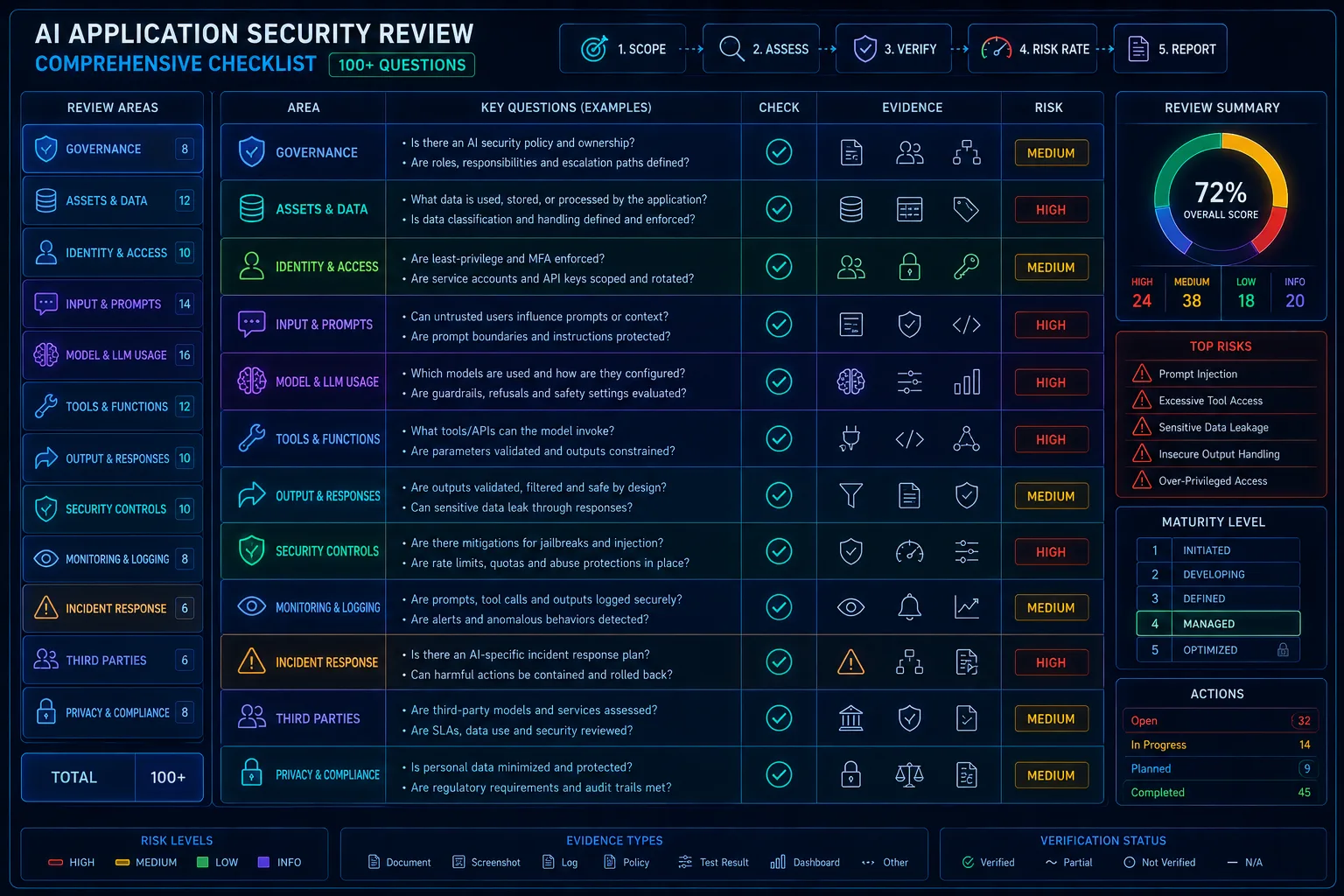
Security monitoring for AI agents requires tool-call telemetry, action-sequence detection, approval-state tracking, memory monitoring, credential visibility, anomaly detection, and kill-switch response paths. Dangerous tool use should be detected before it becomes data leakage, unauthorized change, financial impact, or customer-facing error.
From Jailbreaks to Business Impact: How to Write AI Security Findings That Executives Understand
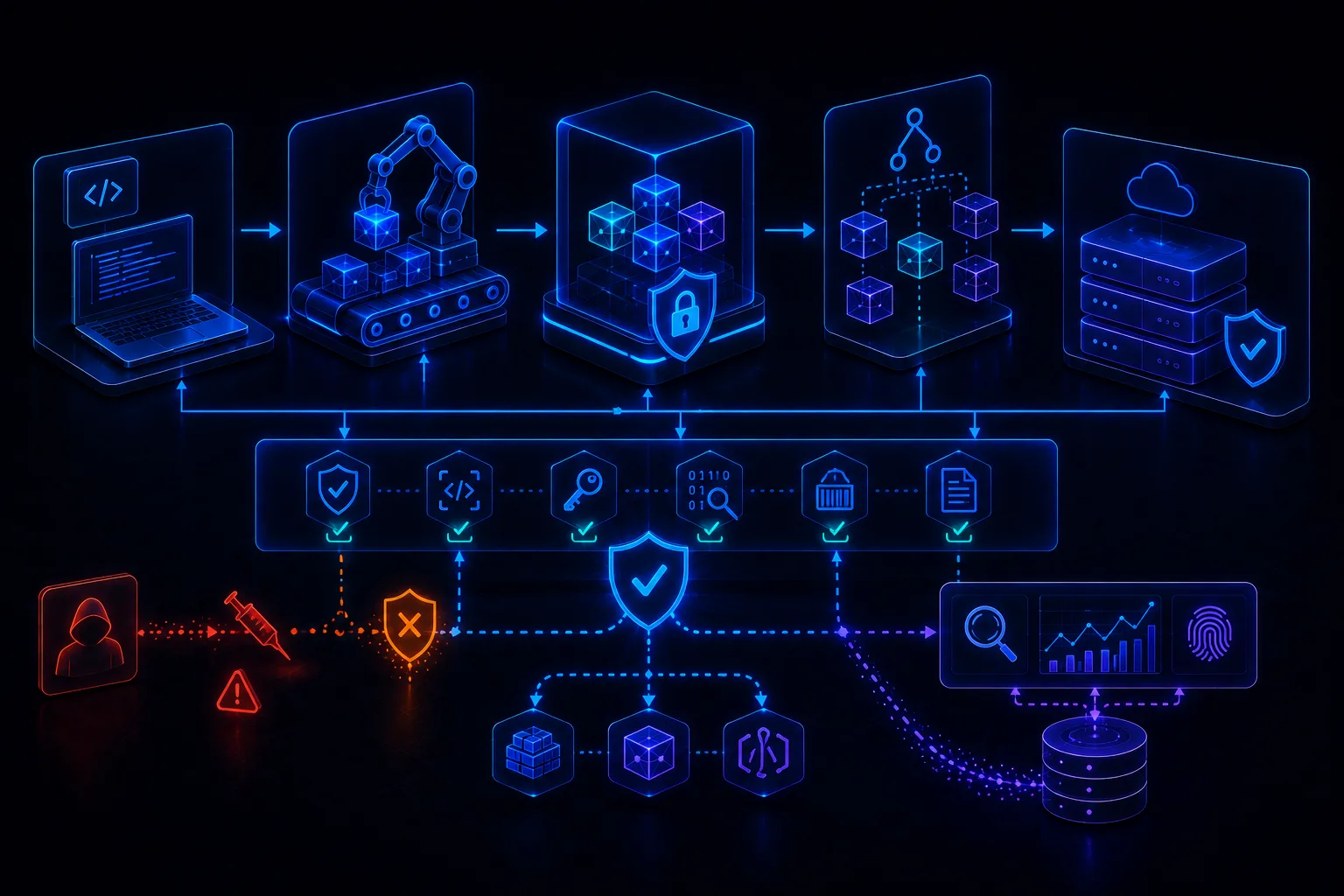
AI security findings should connect tested behavior to business impact through scope, preconditions, evidence, reproducibility, affected assets, control failure, severity rationale, and remediation. Findings must avoid unsupported company-level claims, product endorsement language, and exaggerated conclusions.
Building an AI Red Team Lab: Tools, Datasets, Harnesses, Attack Libraries, and Reporting Templates
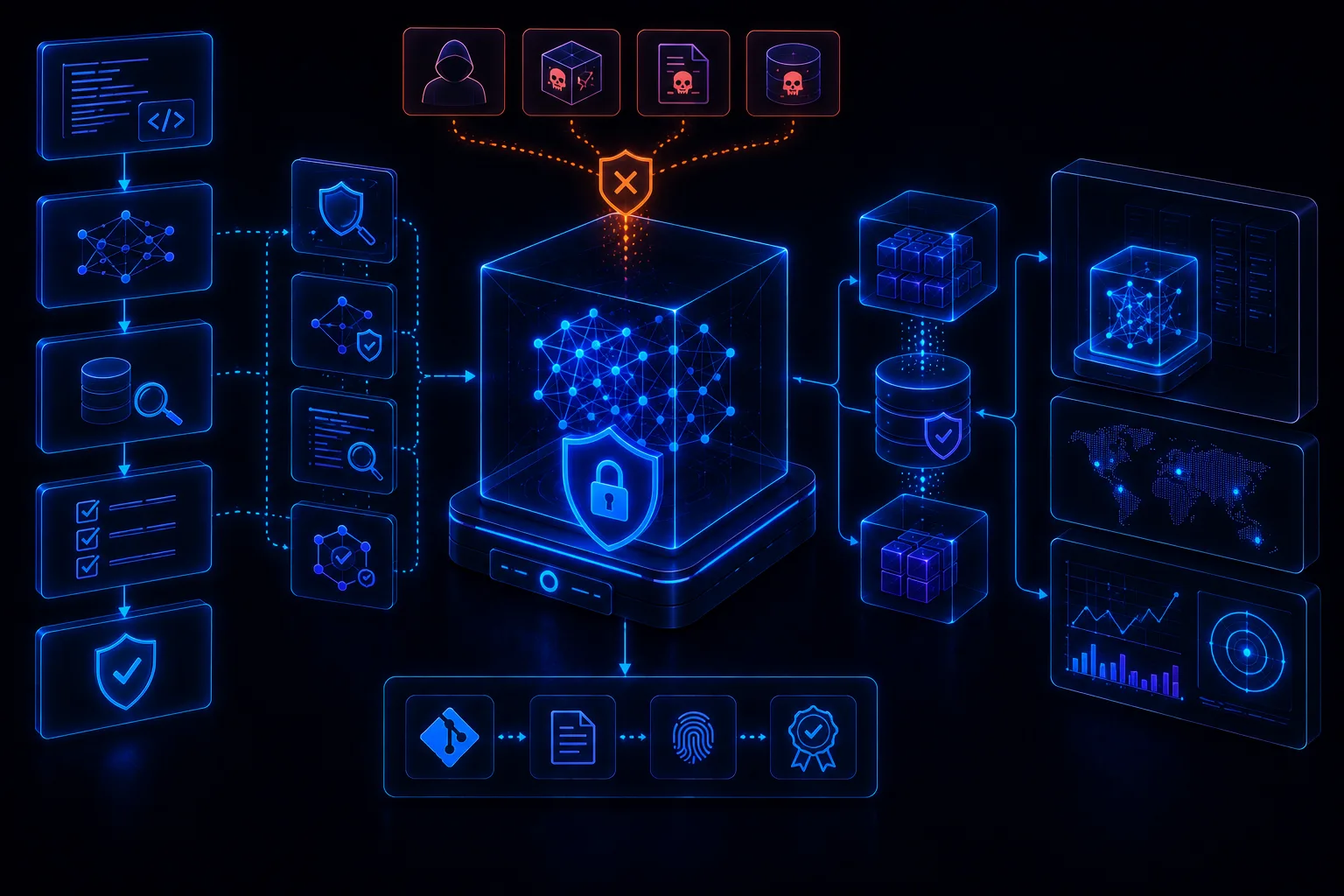
An AI red team lab should provide a controlled, authorized, reproducible environment for testing LLM applications, RAG systems, AI agents, model endpoints, tool use, output handling, and governance evidence. It must include safe datasets, attack libraries, test harnesses, telemetry, evidence handling, reporting templates, and operational guardrails.

AI Incident Response: Playbooks for Prompt Injection, Model Abuse, Data Leakage, and Rogue Agents
Most incident teams already know how to isolate systems and preserve logs. AI changes the shape of the evidence. The response process must include prompts, retrieval context, tool actions, and model versions.

Detection Engineering for AI Systems
Traditional detections miss AI-specific abuse because the action can start in language and end in a side effect. The control gap is not only alert content. It is missing telemetry.
AI Red Teaming 101: Scope, Methods, Evidence, and Deliverables for Real Organizations
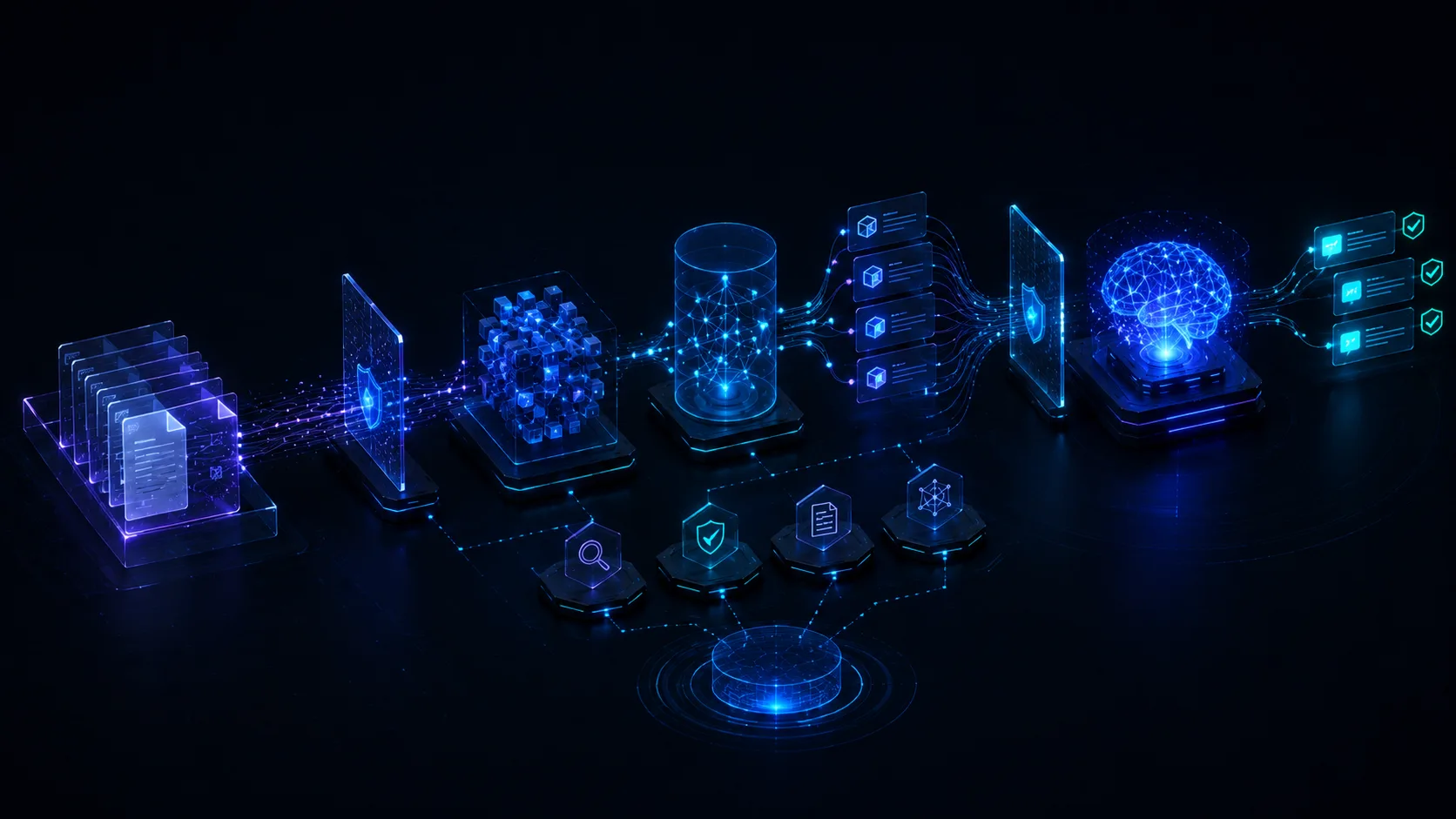
The market often treats red teaming as a demonstration. Real organizations need more than that. They need authorization, reproducibility, severity judgment, and a retest plan that helps the engineering team move.