
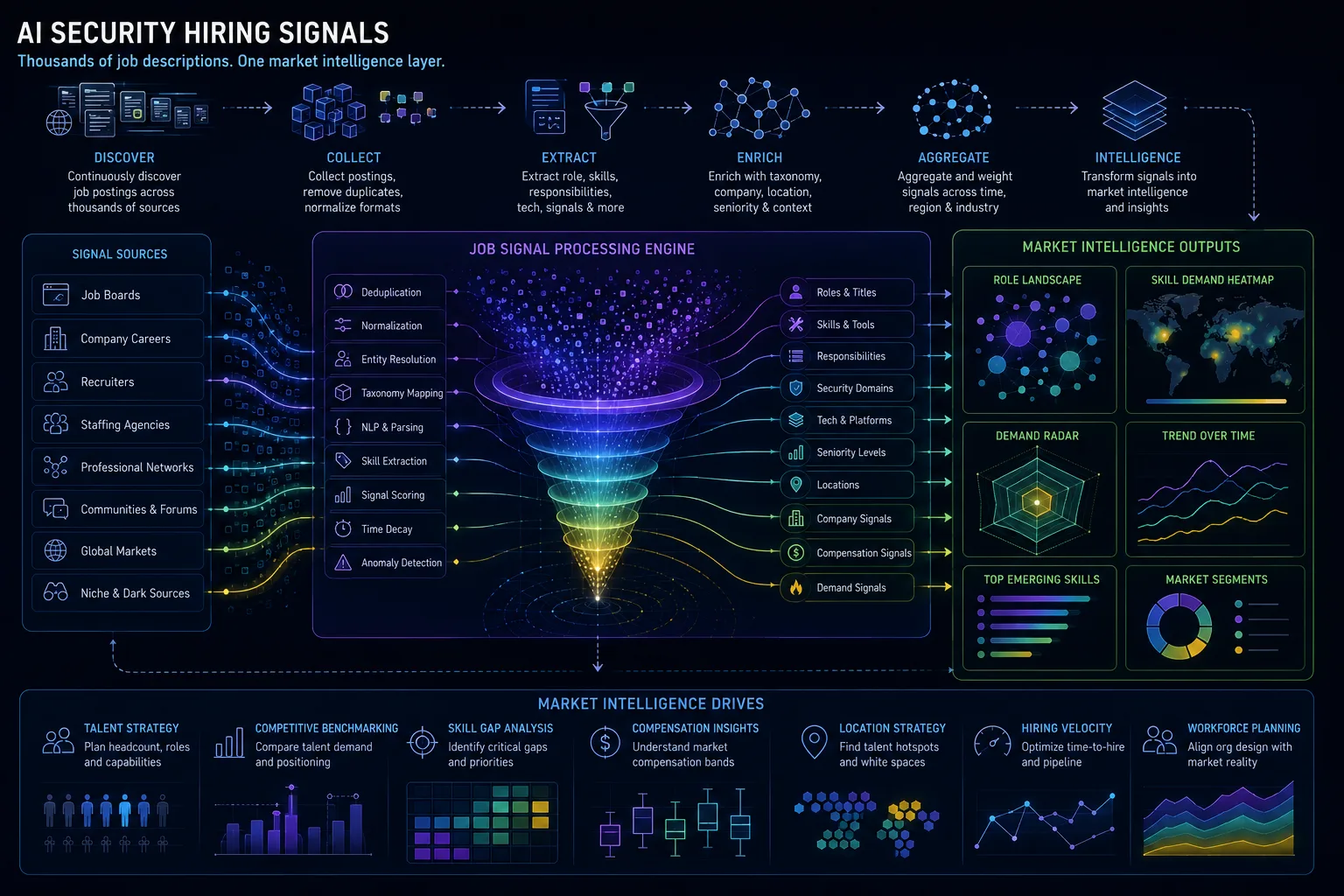
The AI Security Engineer Career Map: Skills, Tools, Frameworks, and Portfolio Evidence
The AI Security Engineer career path combines AppSec, cloud security, MLOps, LLM application security, secure RAG, agent security, red teaming, detection engineering, governance evidence, privacy awareness, and communication. Practitioners should build portfolio evidence that proves they can turn AI risk into controls, tests, telemetry, and operating decisions.
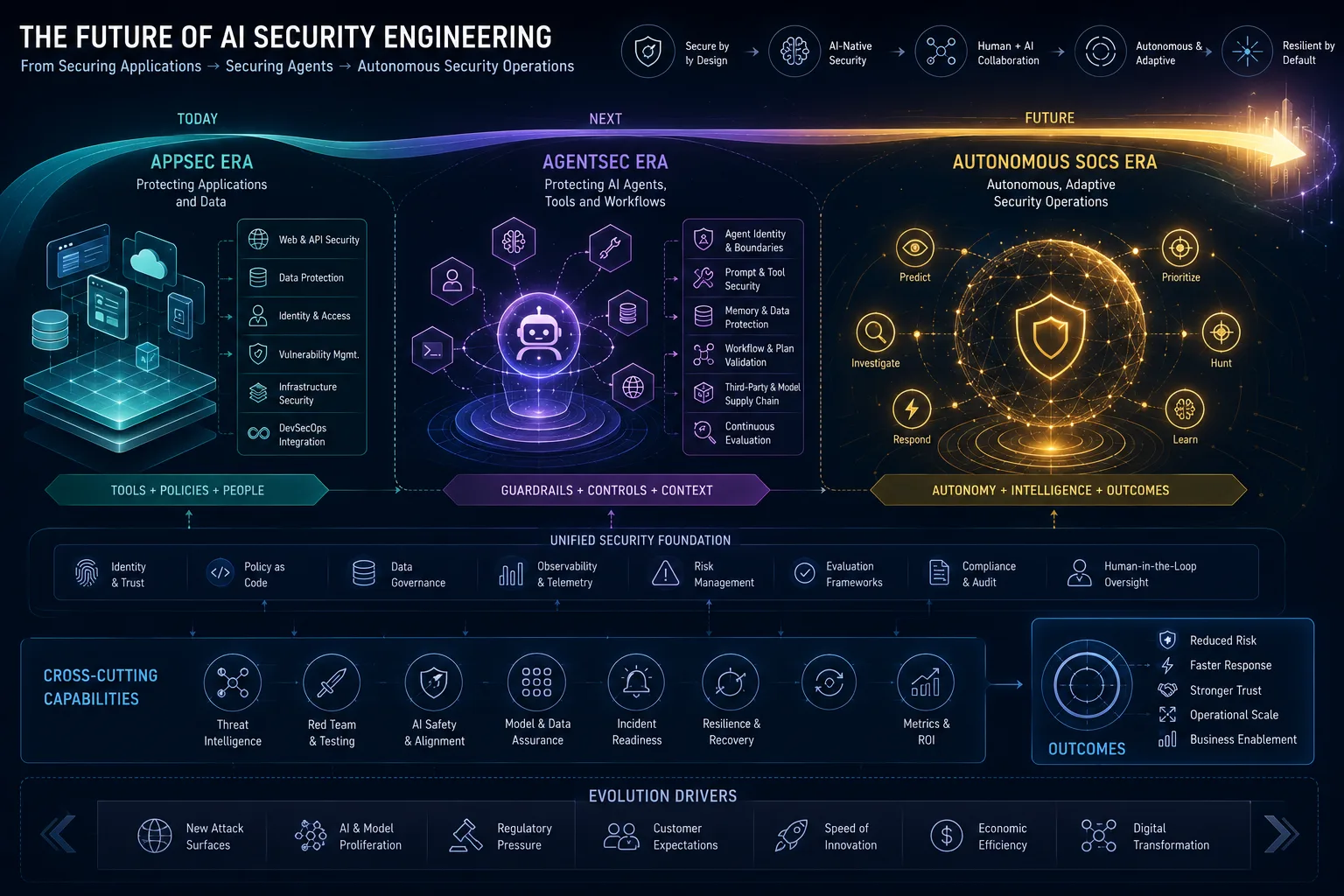
The AI Security Operating Model: Who Owns What Across AppSec, MLOps, GRC, Legal, Privacy, and SOC
A credible AI security operating model assigns ownership across AppSec, product security, AI platform engineering, MLOps, data governance, privacy, legal, GRC, SOC, red team, procurement, and business teams. The goal is not companyal purity; the goal is clear accountability for controls, evidence, incidents, and claims.
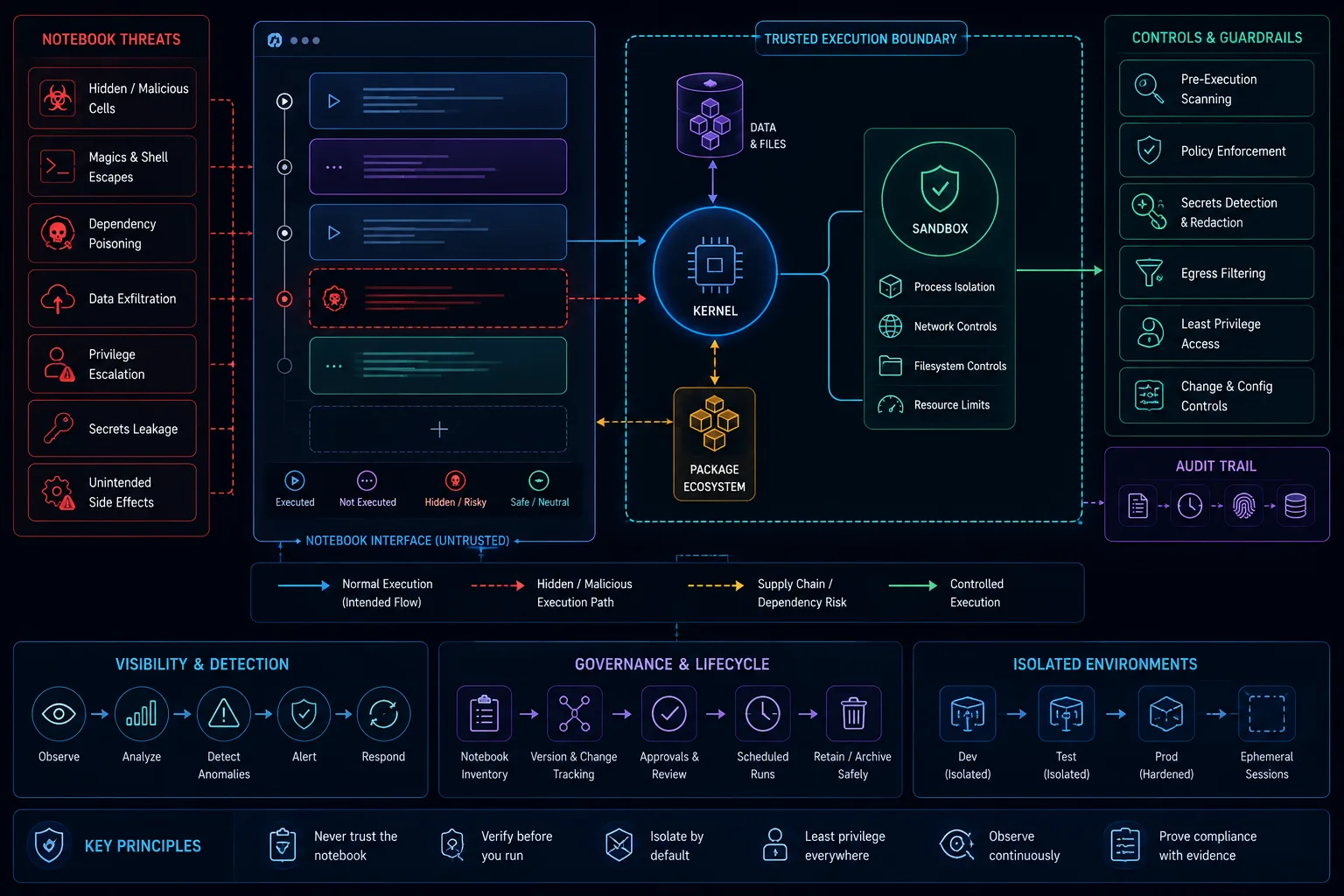
The Future of AI Security Engineering: From AppSec to AgentSec to Autonomous SOCs
The future of AI Security Engineering is a platform discipline that extends AppSec into LLM applications, creates AgentSec for autonomous workflows, builds AI-native telemetry for detection and incident response, and turns governance into continuous evidence rather than annual paperwork.
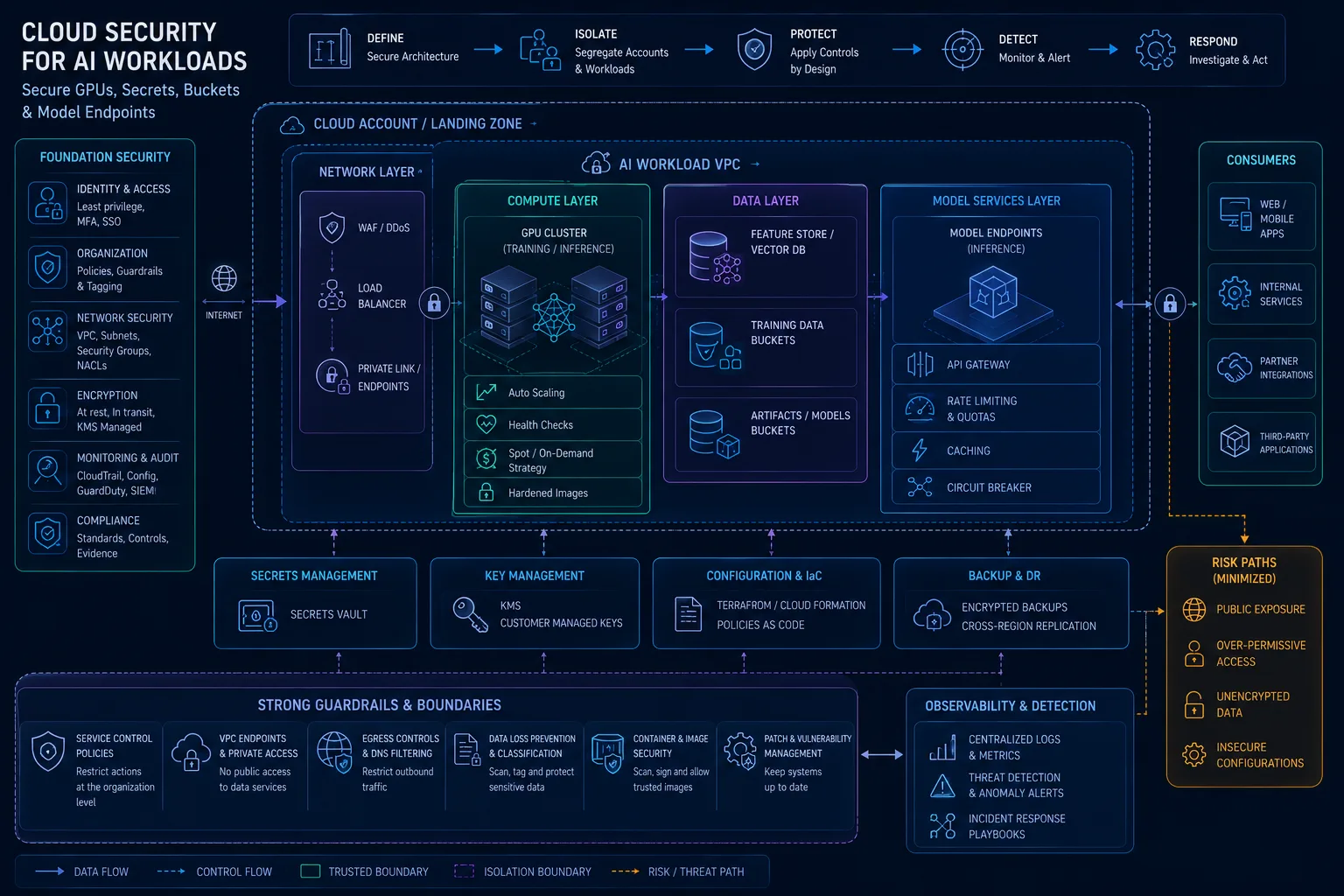
The AI Security Buyer’s Guide: How to Evaluate Vendors for LLM Firewalls, Guardrails, Evals, and Monitoring
AI security buyers should judge vendors by the job to be done: filtering, testing, evals, access, logs, leaks, rules, and proof. Choosing a vendor should start with design and risk, not just labels.
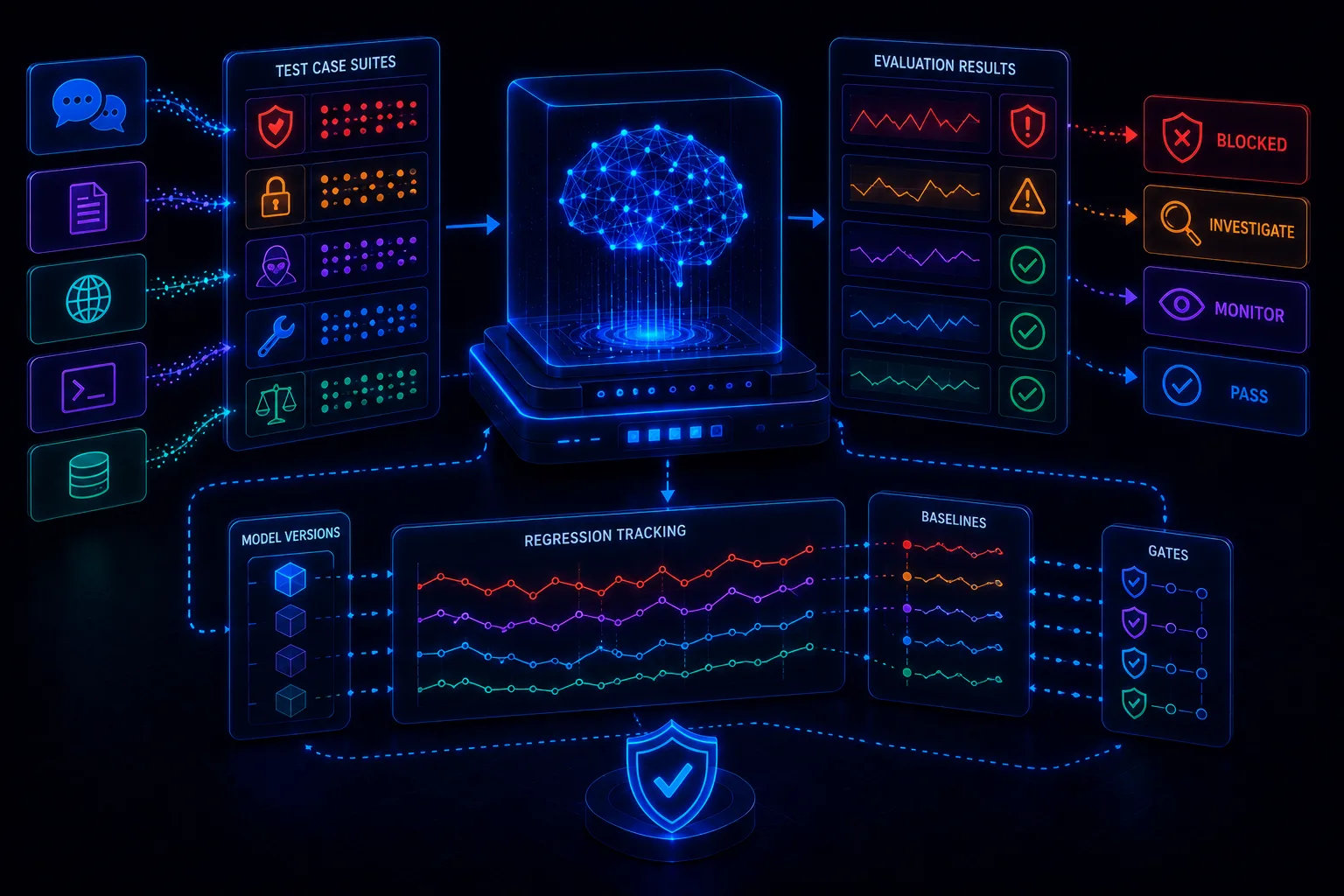
Threat Modeling LLM Applications: Data Flows, Trust Boundaries, Tool Calls, and Abuse Cases
LLM threat modeling should map assets, actors, data flows, trust boundaries, prompt assembly, retrieved content, model providers, tool calls, memory, outputs, identities, approvals, logs, and abuse cases. The output should become controls, tests, telemetry requirements, and incident-response assumptions.

The AI Security Engineering Stack: 50 Tools Across Red Teaming, LLMOps, Governance, and Detection
Teams often buy a tool category before they define the control gap. That creates duplication and gaps at the same time. A stack map helps the buyer see the boundaries first.
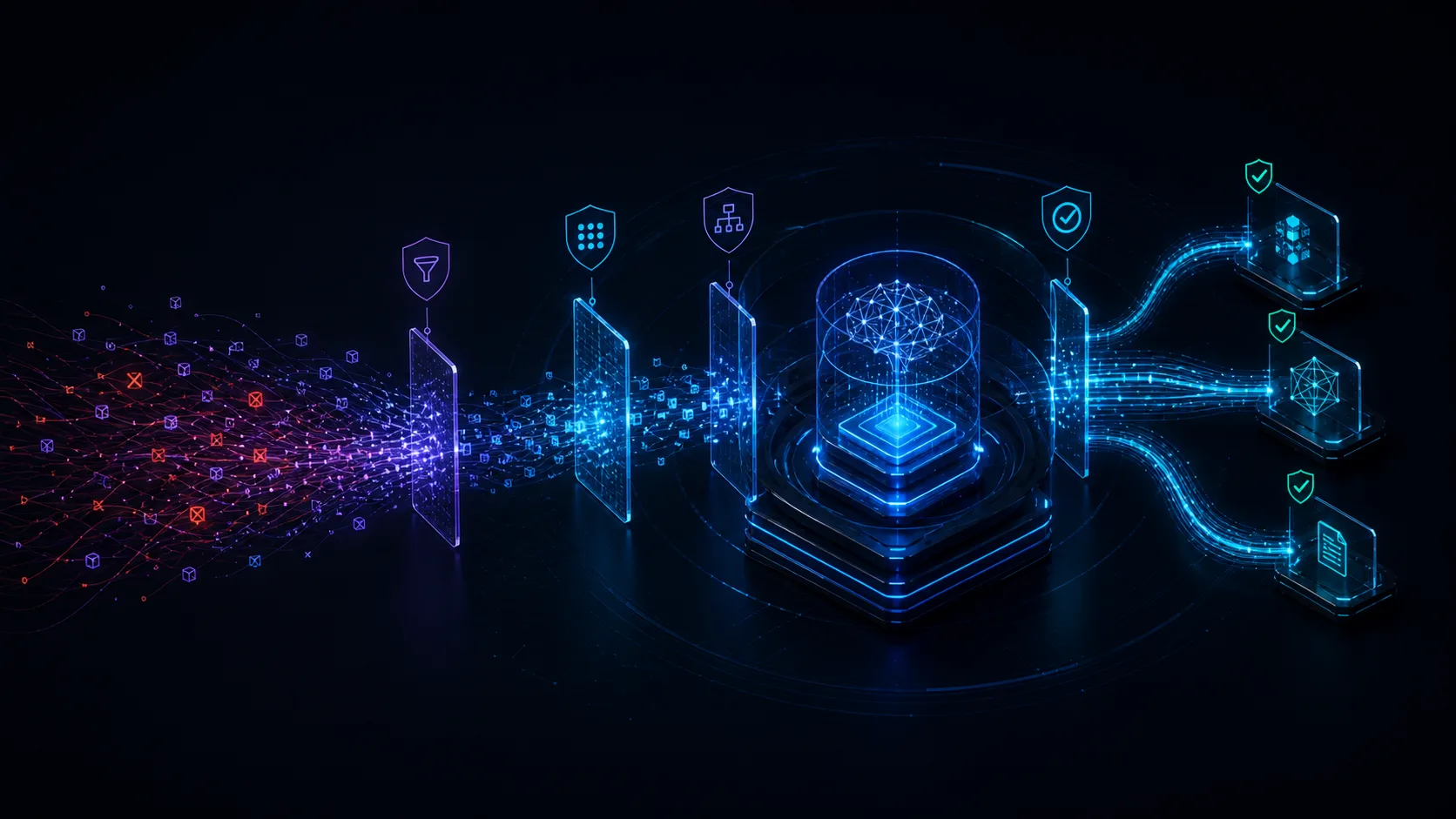
Secure RAG Architecture: Threat Modeling Retrieval-Augmented Generation Systems
RAG is not just search with a model on top. It is a controlled knowledge path. If retrieval is not governed, the model can be steered by the wrong documents, the wrong tenant, or the wrong metadata.
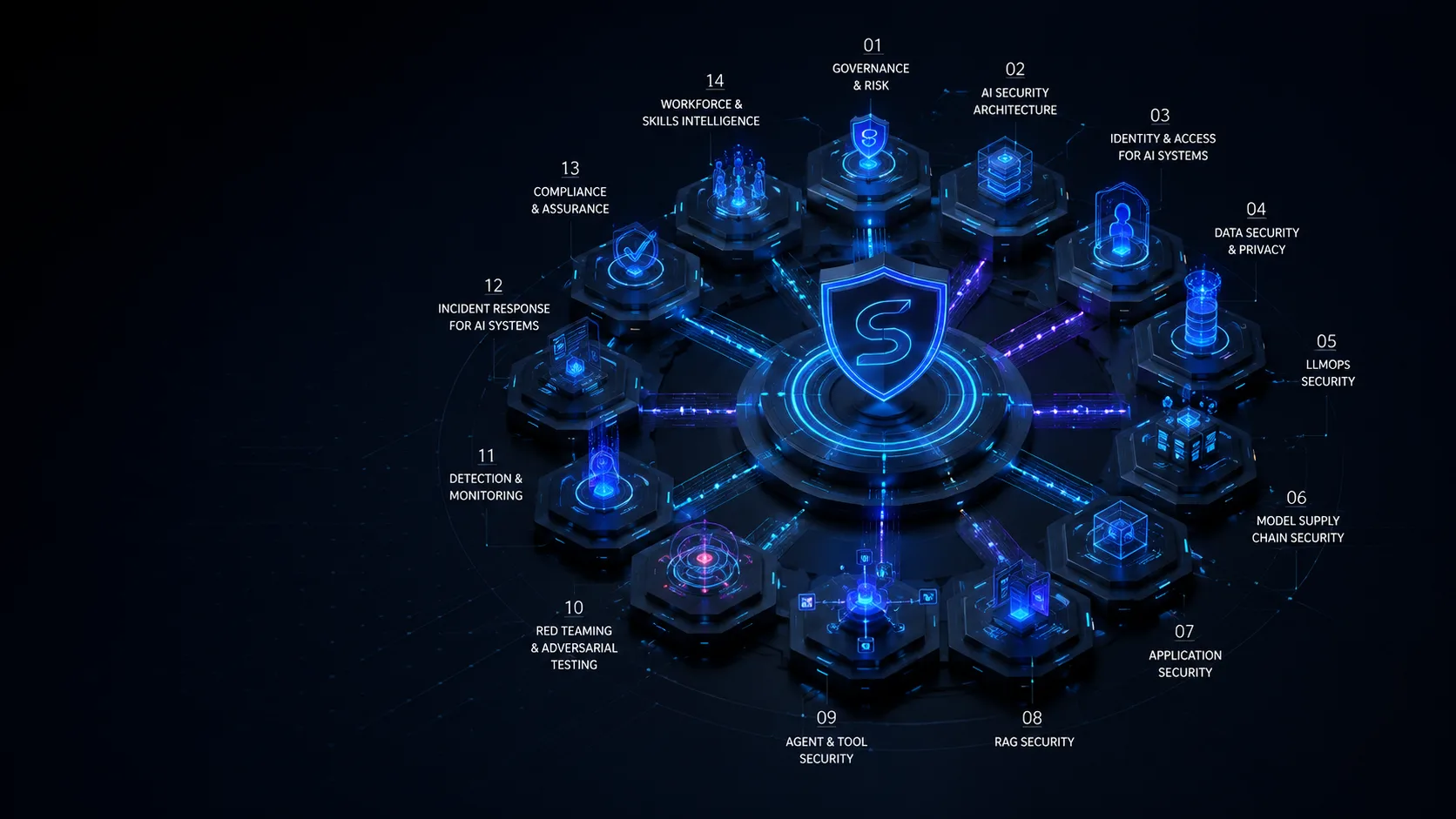
What Is AI Security Engineering? The 14-Domain Map for Securing AI Systems
The market keeps asking one person to explain the whole stack. That only works when the work is mapped clearly. Without a domain map, teams end up with vague ownership, weak handoffs, and controls that are impossible to test.