
Agentic Permissions
8 articles
Secrets Management for AI Apps: API Keys, Model Providers, Tool Credentials, and Delegated Access
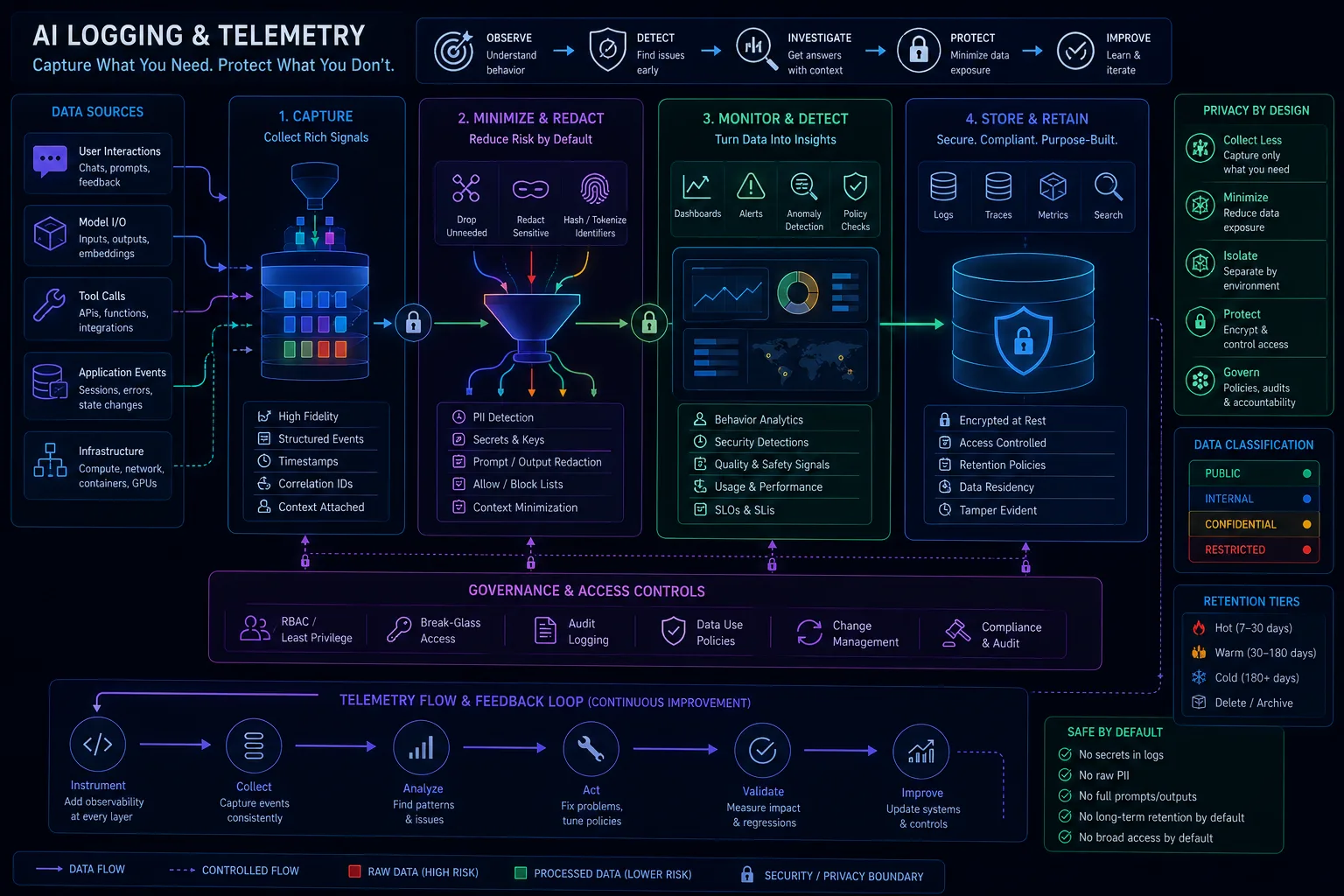
AI applications need disciplined secrets management across model provider keys, vector stores, tool credentials, OAuth tokens, browser sessions, cloud keys, notebooks, logs, prompts, and agent runtimes. Secure design requires centralized secret storage, short-lived and scoped credentials, delegated authorization, redaction, rotation, revocation, and incident-ready evidence.
Security Monitoring for AI Agents: How to Detect Dangerous Tool Use Before Damage Happens
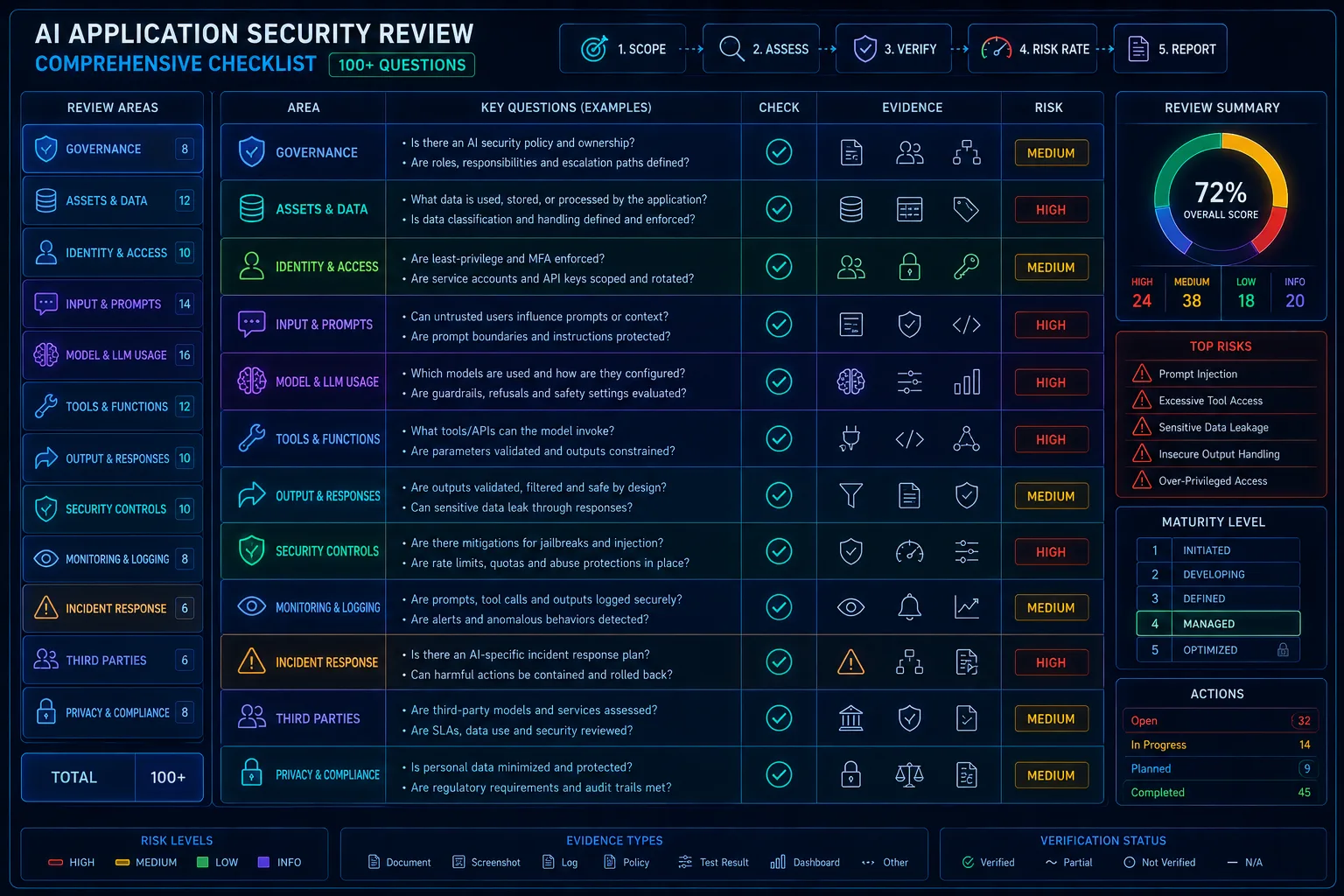
Security monitoring for AI agents requires tool-call telemetry, action-sequence detection, approval-state tracking, memory monitoring, credential visibility, anomaly detection, and kill-switch response paths. Dangerous tool use should be detected before it becomes data leakage, unauthorized change, financial impact, or customer-facing error.
Threat Modeling LLM Applications: Data Flows, Trust Boundaries, Tool Calls, and Abuse Cases
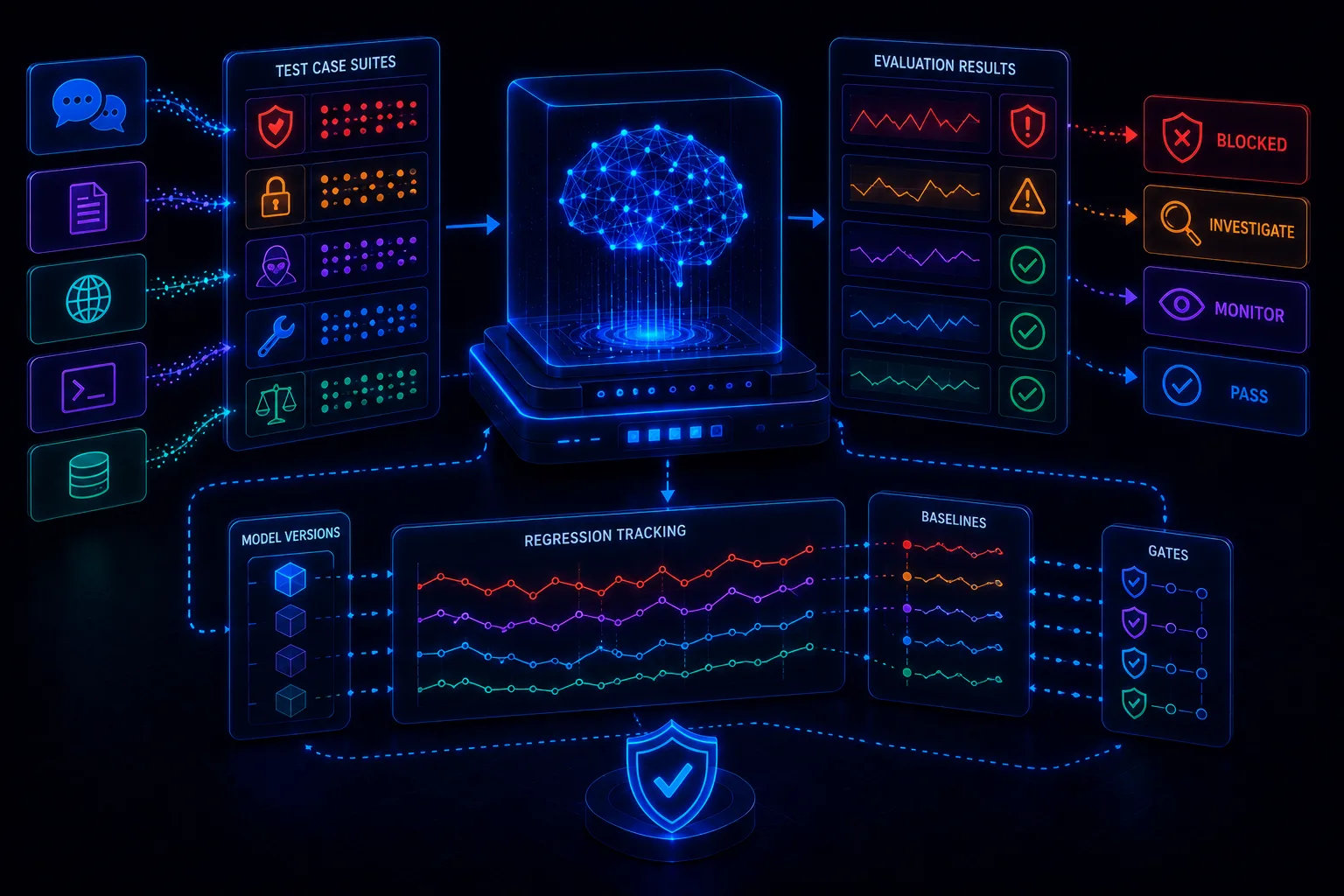
LLM threat modeling should map assets, actors, data flows, trust boundaries, prompt assembly, retrieved content, model providers, tool calls, memory, outputs, identities, approvals, logs, and abuse cases. The output should become controls, tests, telemetry requirements, and incident-response assumptions.

Human-in-the-Loop Is Not a Security Control Unless You Design It Like One
Human-in-the-loop is only a security control when the approval is timely, informed, auditable, placed before meaningful action, and backed by authority to deny or modify the action. Otherwise it becomes a weak UX pattern that shifts responsibility to users without giving them enough information to exercise judgment.

Least Privilege for AI Agents: Designing Permissions for Tools, APIs, Browsers, and Filesystems
AI agents need least privilege at the tool, API, browser, filesystem, credential, tenant, and action level. Safe design requires tool classification, read-only defaults, argument validation, scoped credentials, sandboxing, approval gates, and auditable enforcement outside the model.

Securing AI Agents: Identity, Memory, Tools, Permissions, and Kill Switches
Agent projects fail when teams treat autonomy as a product feature instead of a control problem. Once the agent can do work on behalf of a user, the attack surface moves from text to action.

OWASP LLM Top 10 2025 Explained for Engineers Building Real AI Products
Teams adopt LLM features quickly and then discover that traditional AppSec checks miss retrieval abuse, tool misuse, and unsafe output handling. The Top 10 helps because it names the failure modes that need design and test work.

The Agentic Anarchy Problem: Why AI Agents Break Traditional IAM Models
AI agents break traditional IAM because they act across user intent, application authority, and tool permissions. A secure agent program requires explicit identity, delegated authorization, scoped credentials, and policy enforcement that lives outside the model.