
Incident Response & Observability
4 articles
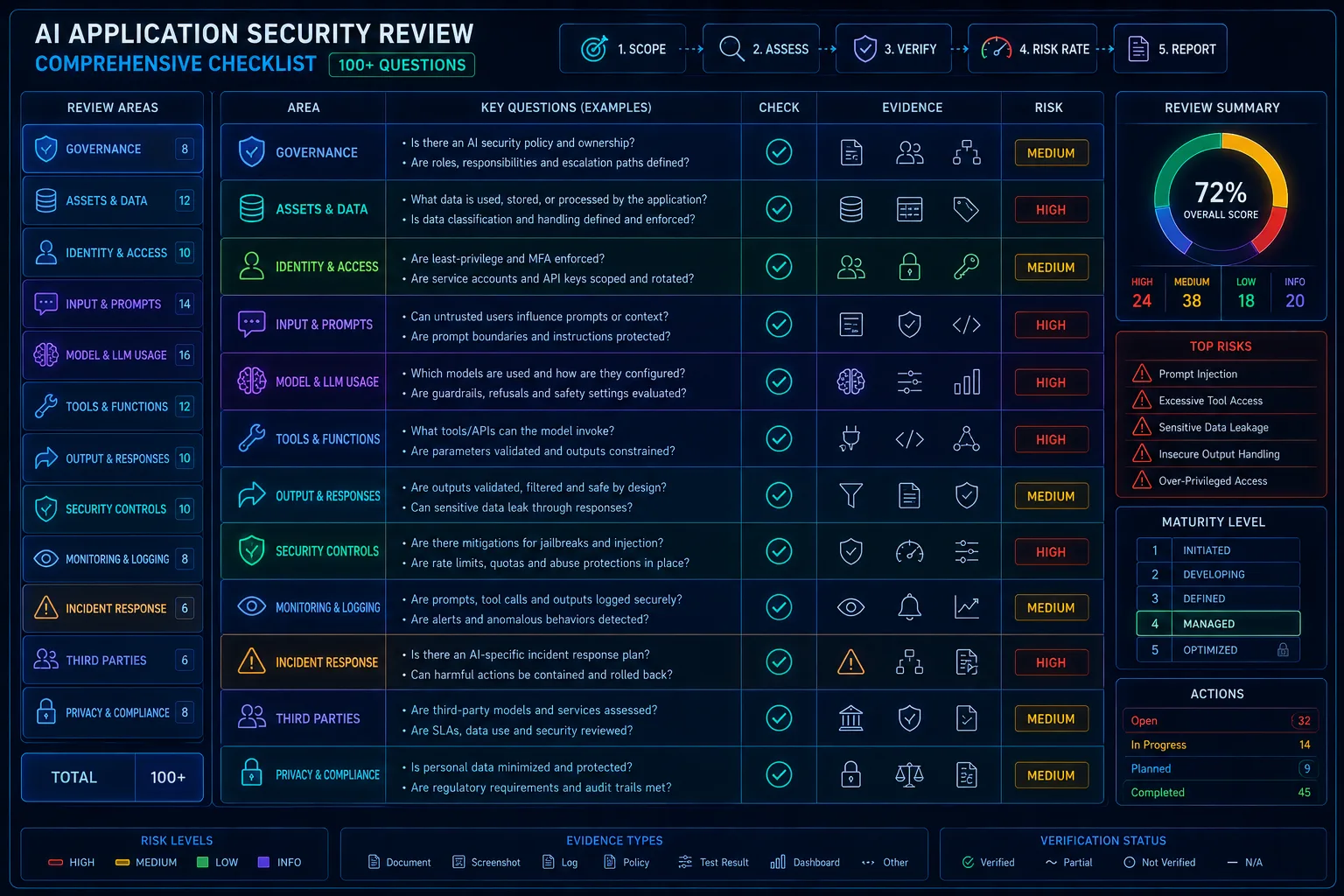
Security Monitoring for AI Agents: How to Detect Dangerous Tool Use Before Damage Happens
Security monitoring for AI agents requires tool-call telemetry, action-sequence detection, approval-state tracking, memory monitoring, credential visibility, anomaly detection, and kill-switch response paths. Dangerous tool use should be detected before it becomes data leakage, unauthorized change, financial impact, or customer-facing error.
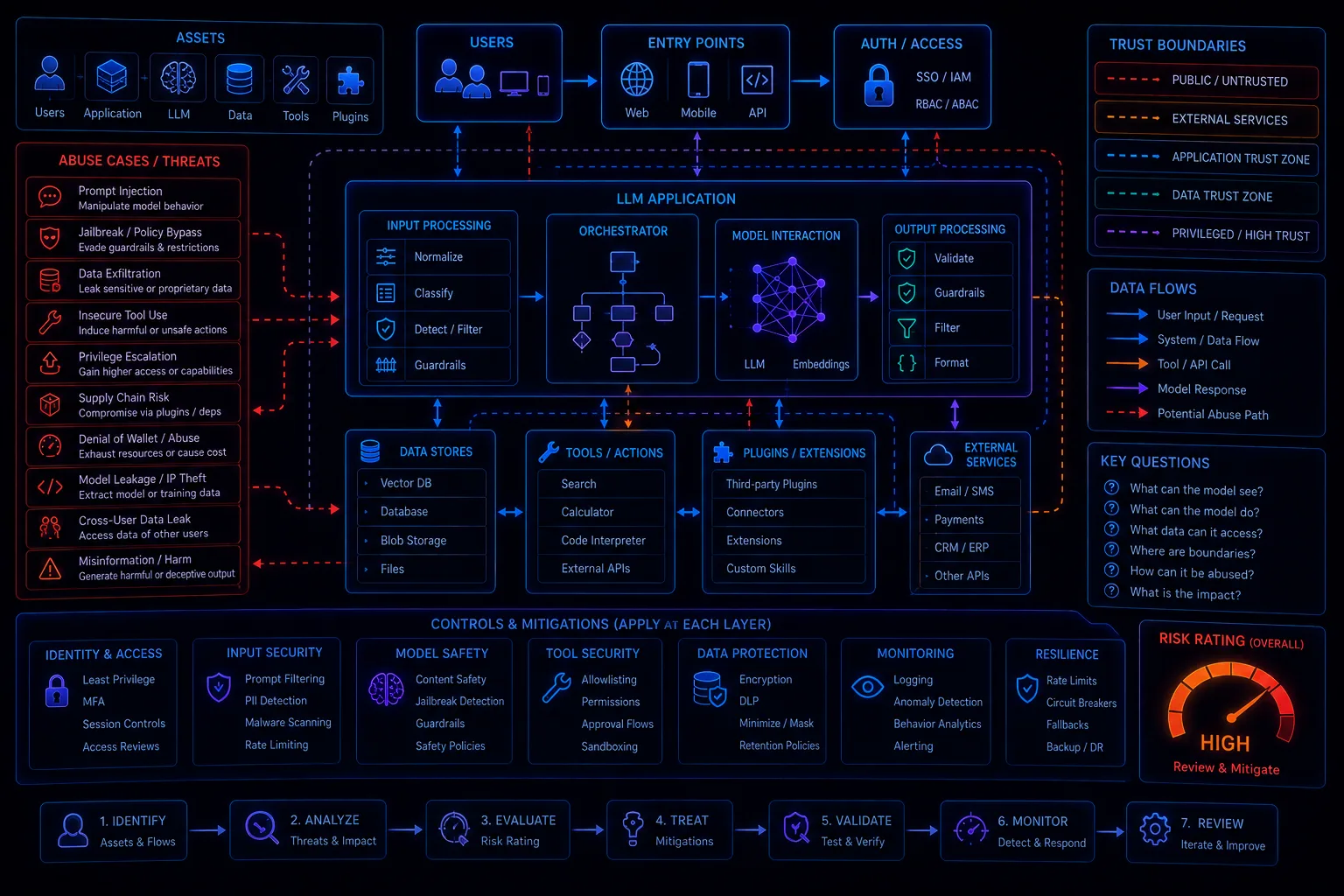
AI Logging and Telemetry: What to Capture Without Creating a Privacy Disaster
AI systems need logs because you cannot rebuild what happened from vibes. Security teams need to know what prompt was used, what docs were found, what the model said, what tool was called, who approved it, and what happened next.

AI Incident Response: Playbooks for Prompt Injection, Model Abuse, Data Leakage, and Rogue Agents
Most incident teams already know how to isolate systems and preserve logs. AI changes the shape of the evidence. The response process must include prompts, retrieval context, tool actions, and model versions.

Detection Engineering for AI Systems
Traditional detections miss AI-specific abuse because the action can start in language and end in a side effect. The control gap is not only alert content. It is missing telemetry.