NEW

Start with the pressure: sales, launch, abuse, agents, data, or guardrails

← All articles

AI Security Monitoring

5 articles
Agent SecurityAgentic PermissionsAI Agent SecurityAI Governance EvidenceAi ImpactAI Incident ResponseAi IntegrationAI Red TeamingAI SDLC & Product SecurityAI SecurityAI Security Engineer CareerAi Security EngineeringAI Security FoundationsAI Security MonitoringAI Security ToolsAI Supply ChainAI System InventoryArchitecture and Trust BoundariesAts SystemsAttackCareer DevelopmentCorporate CultureCorporate Culture And LeadershipCulture SecurityCyber SecuritycybersecurityCybersecurity StrategyData Exposure and PrivacyDefendDetection EngineeringDistributed GovernanceDistributed SystemsEconomic GovernanceEducationEvaluation and Regression TestingEvidenceEvidence Based GovernanceFuture of WorkgovernanceGovernance And ResilienceGovernance Evidence and Customer TrustGovernance, Risk & ComplianceHiring & TalentHiring StrategyIncident ResponseIncident Response & ObservabilityLeadership And GovernanceLLM Application SecurityLogging and TelemetryMapMLOps & Platform SecurityModel and Provider RiskModel Supply ChainOperational RiskOrganizational GovernanceOrganizational ResiliencePlatform GovernancePrivacy & Data ProtectionPrompt InjectionPrompt Injection & Context SecurityPsychological SafetypsychometricsRAG AuthorizationRAG SecurityRecruitment And TalentRed Teaming & Evaluationsred-teamseceng-workbenchSecure Architecture & DesignSecure RAGSecurity ArchitectureStochastic GovernanceStochastic ResilienceSystemic ResilienceTalent AcquisitionTalent EngineeringTeam EngineeringTechnical IntelligenceThreat ModelingToolchain IntegrityTraining & WorkshopsVendor Risk & ProcurementWorkforce ScienceWorkplace Evolution
The AI Security Buyer’s Guide: How to Evaluate Vendors for LLM Firewalls, Guardrails, Evals, and Monitoring
Map

The AI Security Buyer’s Guide: How to Evaluate Vendors for LLM Firewalls, Guardrails, Evals, and Monitoring

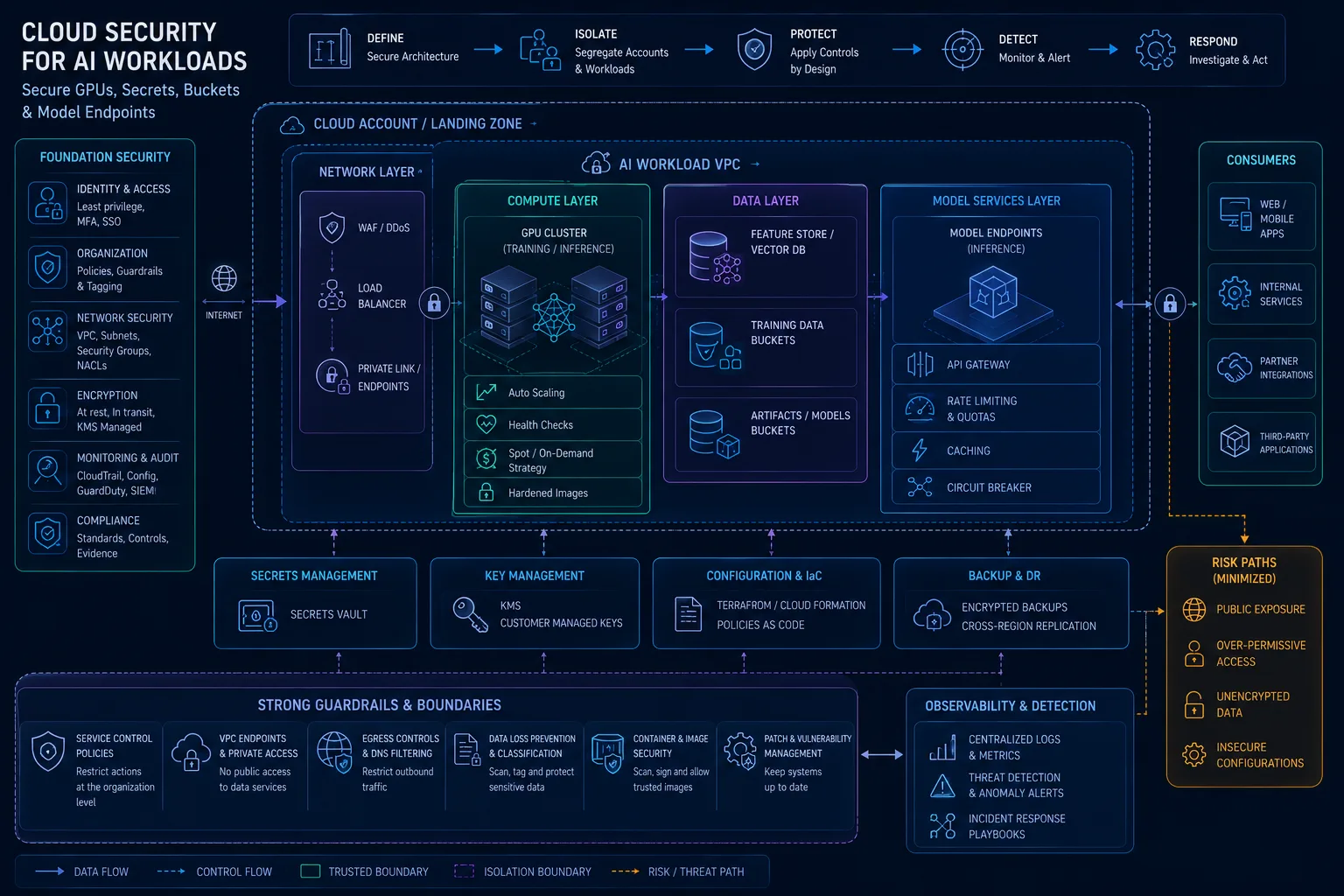
AI security buyers should judge vendors by the job to be done: filtering, testing, evals, access, logs, leaks, rules, and proof. Choosing a vendor should start with design and risk, not just labels.
9 min read
Security Monitoring for AI Agents: How to Detect Dangerous Tool Use Before Damage Happens
Defend

Security Monitoring for AI Agents: How to Detect Dangerous Tool Use Before Damage Happens

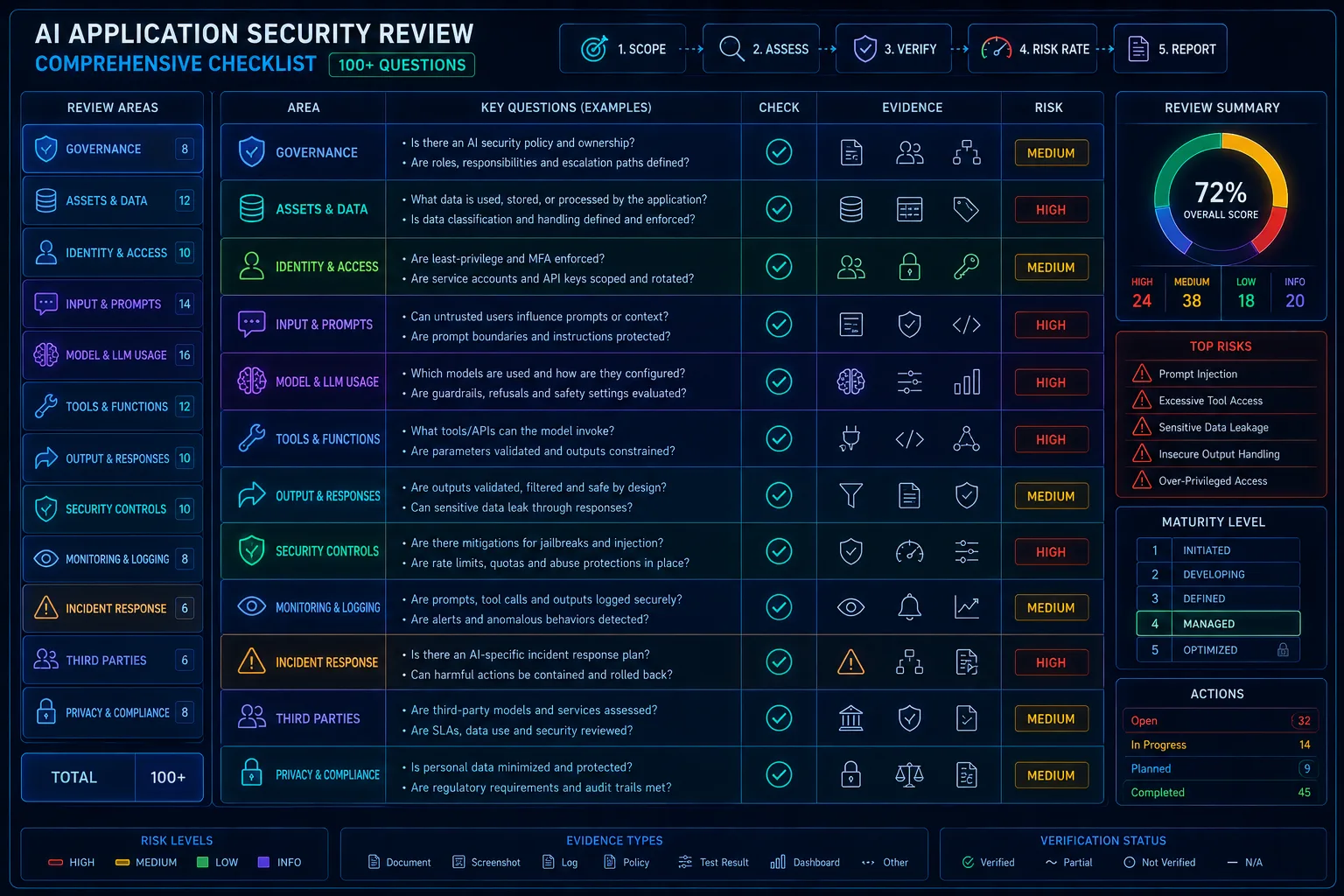
Security monitoring for AI agents requires tool-call telemetry, action-sequence detection, approval-state tracking, memory monitoring, credential visibility, anomaly detection, and kill-switch response paths. Dangerous tool use should be detected before it becomes data leakage, unauthorized change, financial impact, or customer-facing error.
10 min read
AI Logging and Telemetry: What to Capture Without Creating a Privacy Disaster
Defend

AI Logging and Telemetry: What to Capture Without Creating a Privacy Disaster

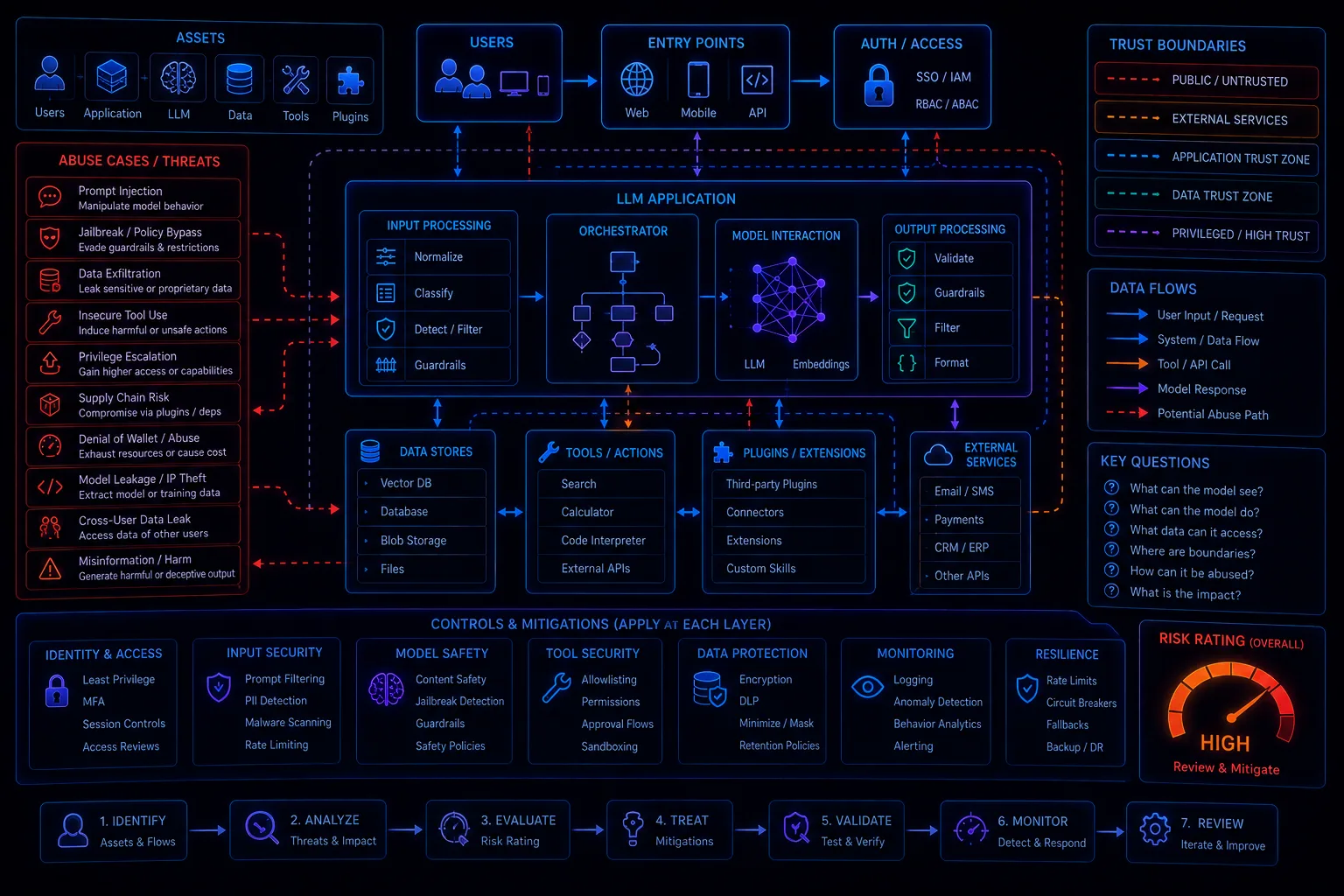
AI systems need logs because you cannot rebuild what happened from vibes. Security teams need to know what prompt was used, what docs were found, what the model said, what tool was called, who approved it, and what happened next.
9 min read
The AI Security Engineering Stack: 50 Tools Across Red Teaming, LLMOps, Governance, and Detection
Map

The AI Security Engineering Stack: 50 Tools Across Red Teaming, LLMOps, Governance, and Detection

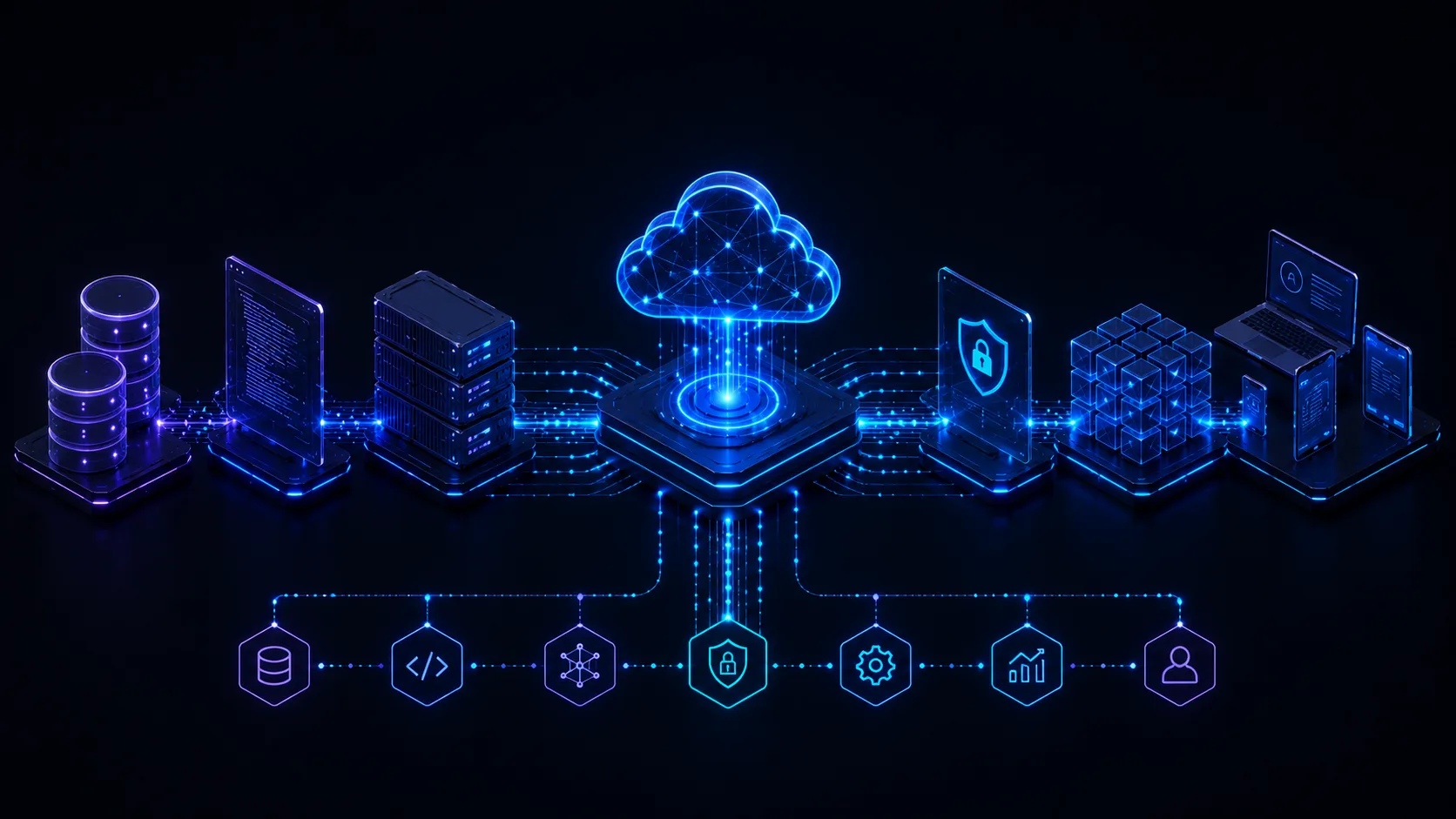
Teams often buy a tool category before they define the control gap. That creates duplication and gaps at the same time. A stack map helps the buyer see the boundaries first.

3 min read
Detection Engineering for AI Systems
Defend

Detection Engineering for AI Systems

Traditional detections miss AI-specific abuse because the action can start in language and end in a side effect. The control gap is not only alert content. It is missing telemetry.

3 min read