
Governance, Risk & Compliance
6 articles

How to Read the State of AI Security Engineering Report: Methodology, Caveats, and Responsible Interpretation
A serious annual report is not only a collection of findings. It is also a contract with the reader about how those findings should be interpreted. The more ambitious the report, the more important the methodology becomes.
Private Benchmarks for AI Security: Skills, Operating Models, Controls, and Governance Evidence
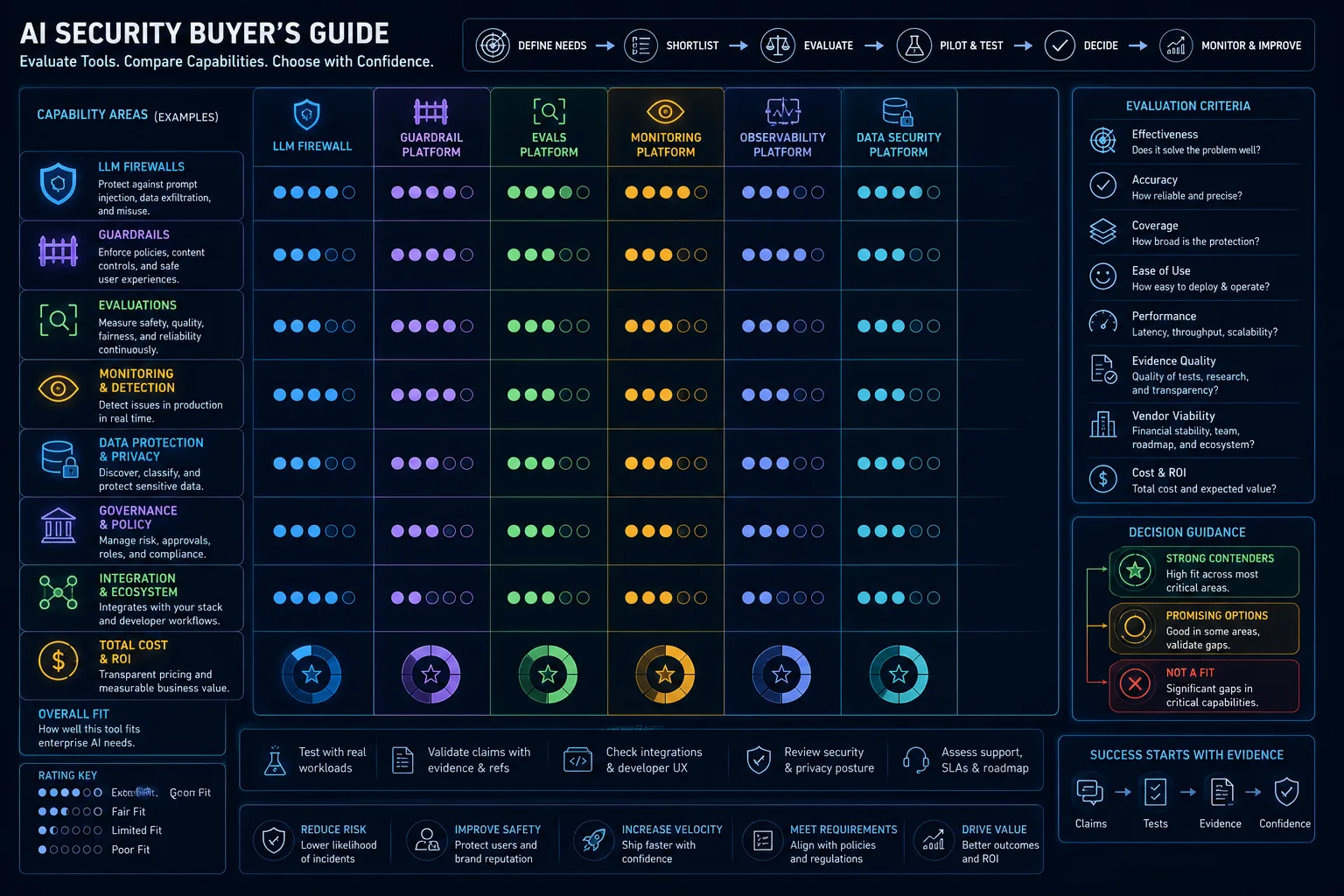
Private AI security benchmarks can help organizations compare skills, operating models, control coverage, evidence maturity, and role expectations against defined datasets or frameworks, but they must be presented as directional advisory tools rather than certification, audit opinion, or proof of internal security maturity.
Claim-Readiness for AI Security: Marketing Pages, Trust Centers, Sales Claims, and Governance Evidence
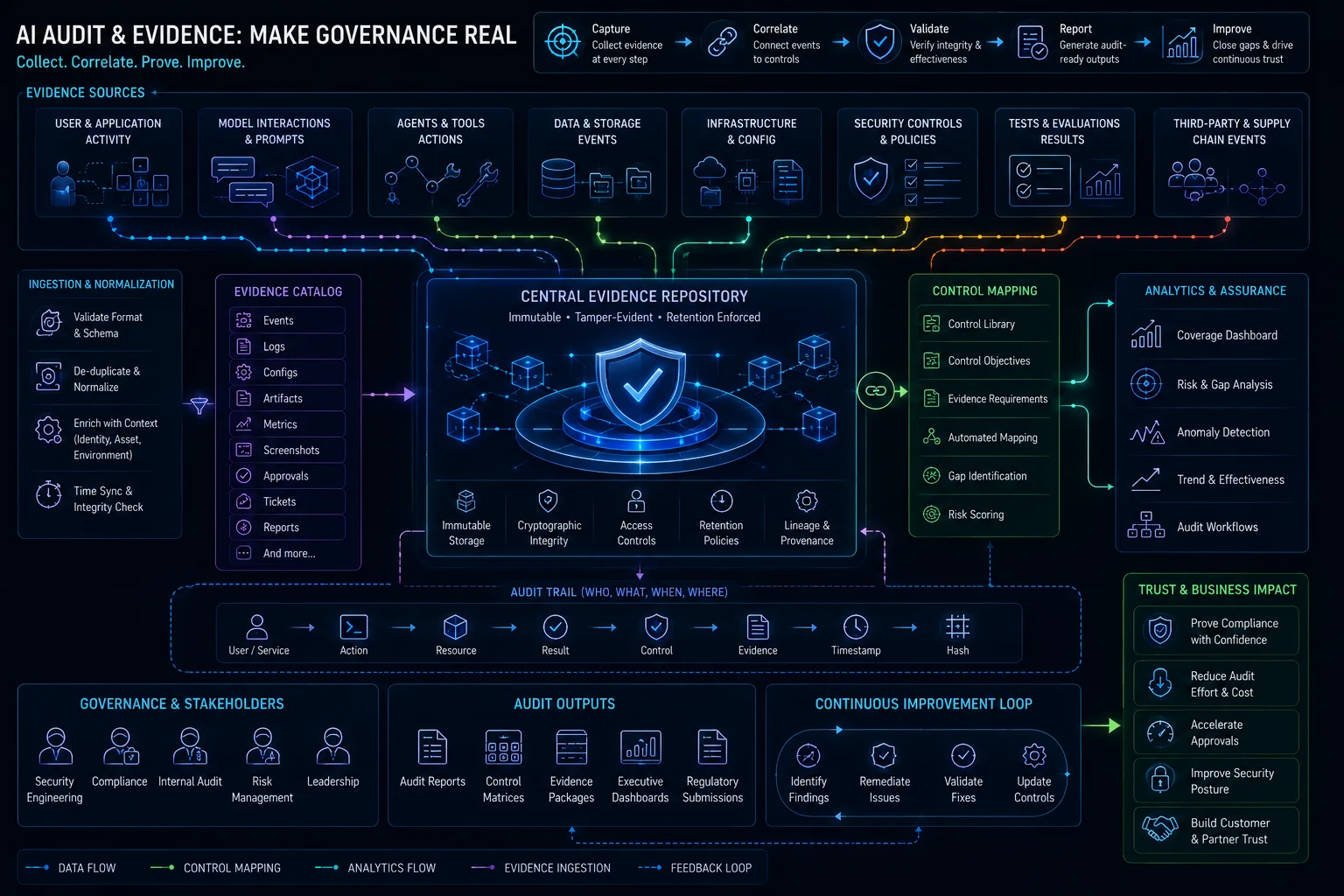
Claim-readiness means AI security, privacy, governance, benchmark, sponsorship, and trust-center claims are mapped to reviewable evidence, scoped carefully, caveated honestly, and separated from unsupported product endorsement or research overstatement.
AI Audit Evidence: What Logs, Tests, Policies, and Approvals You Need to Prove Governance Works
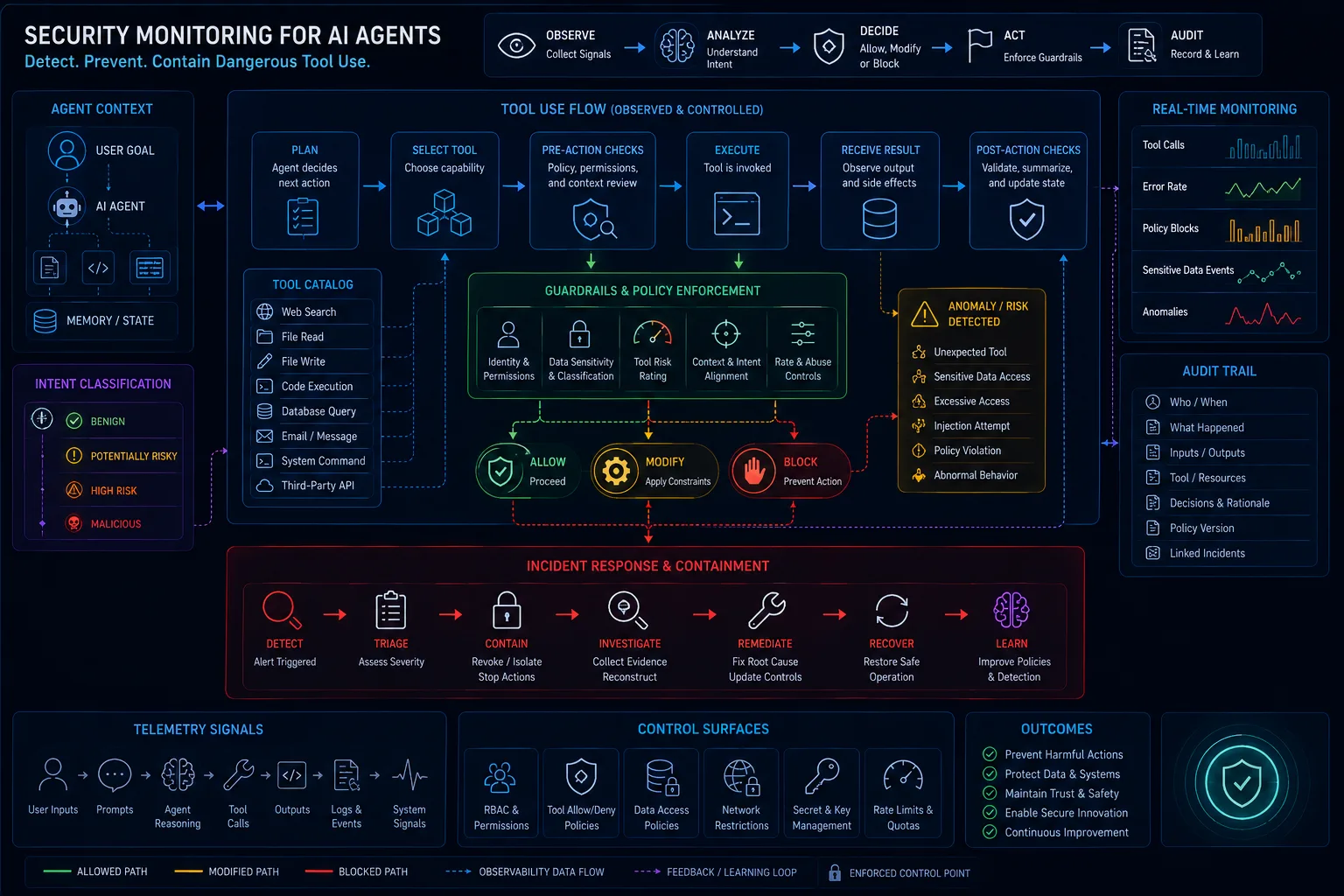
AI governance requires evidence artifacts across inventory, risk, data, providers, prompts, evals, red-teaming, approvals, and logs. Evidence should be built into AI workflows, not assembled after a crisis.
Compliance for AI Security Engineers: Mapping OWASP, NIST AI RMF, ISO 42001, SOC 2, and CSA AICM
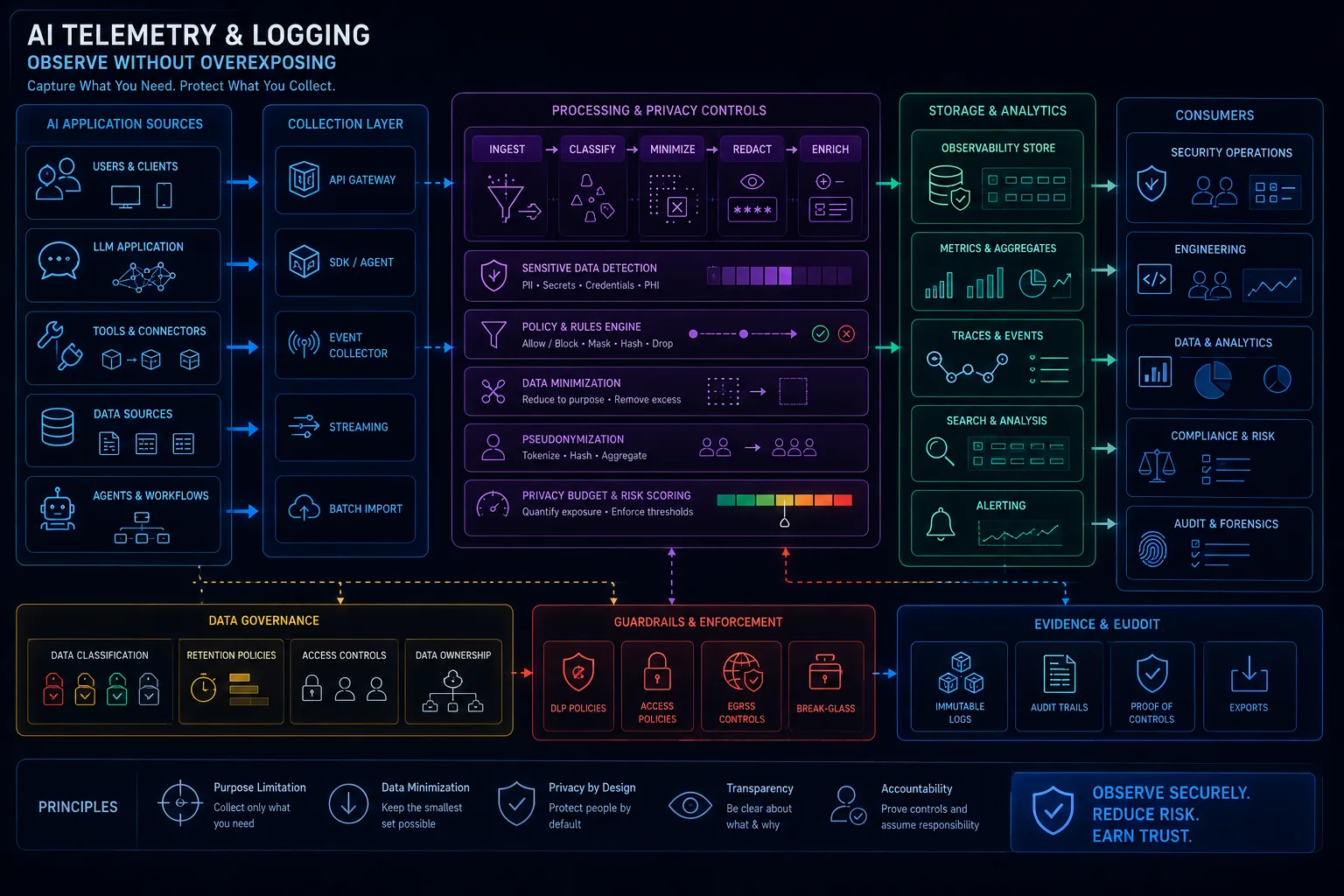
AI security compliance should translate frameworks into concrete engineering controls and governance evidence. OWASP helps with LLM application risks, NIST AI RMF with risk management, ISO 42001 with management-system structure, SOC 2 with trust-service evidence, and CSA AICM with control mapping, but none of these prove an AI system is secure on their own.

Human-in-the-Loop Is Not a Security Control Unless You Design It Like One
Human-in-the-loop is only a security control when the approval is timely, informed, auditable, placed before meaningful action, and backed by authority to deny or modify the action. Otherwise it becomes a weak UX pattern that shifts responsibility to users without giving them enough information to exercise judgment.