NEW

Start with the pressure: sales, launch, abuse, agents, data, or guardrails

← All articles

AI Supply Chain

5 articles
Agent SecurityAgentic PermissionsAI Agent SecurityAI Governance EvidenceAi ImpactAI Incident ResponseAi IntegrationAI Red TeamingAI SDLC & Product SecurityAI SecurityAI Security Engineer CareerAi Security EngineeringAI Security FoundationsAI Security MonitoringAI Security ToolsAI Supply ChainAI System InventoryArchitecture and Trust BoundariesAts SystemsAttackCareer DevelopmentCorporate CultureCorporate Culture And LeadershipCulture SecurityCyber SecuritycybersecurityCybersecurity StrategyData Exposure and PrivacyDefendDetection EngineeringDistributed GovernanceDistributed SystemsEconomic GovernanceEducationEvaluation and Regression TestingEvidenceEvidence Based GovernanceFuture of WorkgovernanceGovernance And ResilienceGovernance Evidence and Customer TrustGovernance, Risk & ComplianceHiring & TalentHiring StrategyIncident ResponseIncident Response & ObservabilityLeadership And GovernanceLLM Application SecurityLogging and TelemetryMapMLOps & Platform SecurityModel and Provider RiskModel Supply ChainOperational RiskOrganizational GovernanceOrganizational ResiliencePlatform GovernancePrivacy & Data ProtectionPrompt InjectionPrompt Injection & Context SecurityPsychological SafetypsychometricsRAG AuthorizationRAG SecurityRecruitment And TalentRed Teaming & Evaluationsred-teamseceng-workbenchSecure Architecture & DesignSecure RAGSecurity ArchitectureStochastic GovernanceStochastic ResilienceSystemic ResilienceTalent AcquisitionTalent EngineeringTeam EngineeringTechnical IntelligenceThreat ModelingToolchain IntegrityTraining & WorkshopsVendor Risk & ProcurementWorkforce ScienceWorkplace Evolution
Notebook Security for ML and AI Teams: Jupyter, Colab, Databricks, and Hidden Execution Risk
Defend

Notebook Security for ML and AI Teams: Jupyter, Colab, Databricks, and Hidden Execution Risk

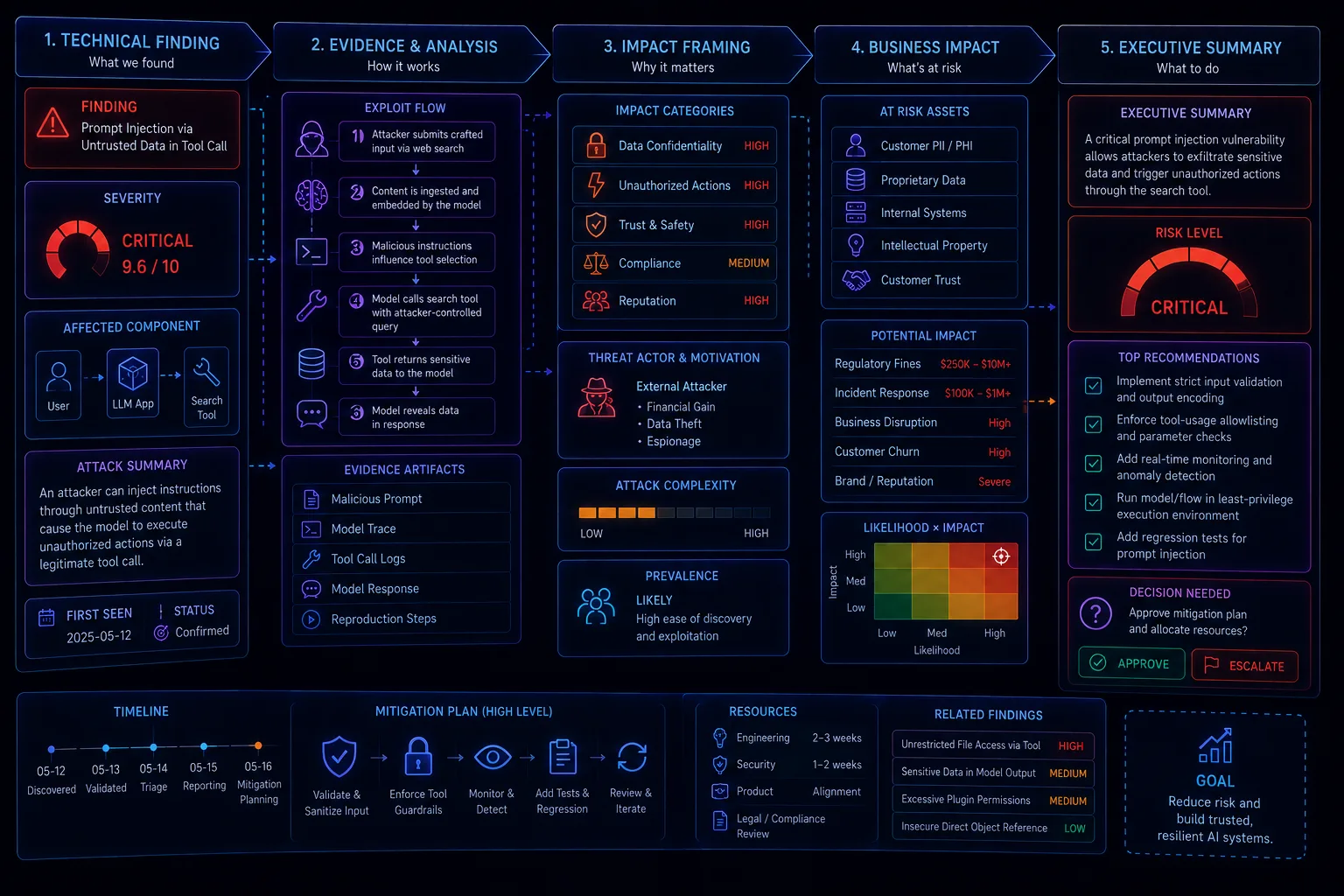
Notebook security for AI and ML teams requires access control, secret management, data minimization, execution isolation, output review, dependency scanning, sharing controls, provenance, and promotion rules before notebooks influence production workflows or access sensitive data.
9 min read
Cloud Security for AI Workloads: GPUs, Secrets, Buckets, Model Endpoints, and Notebook Risk
Defend

Cloud Security for AI Workloads: GPUs, Secrets, Buckets, Model Endpoints, and Notebook Risk

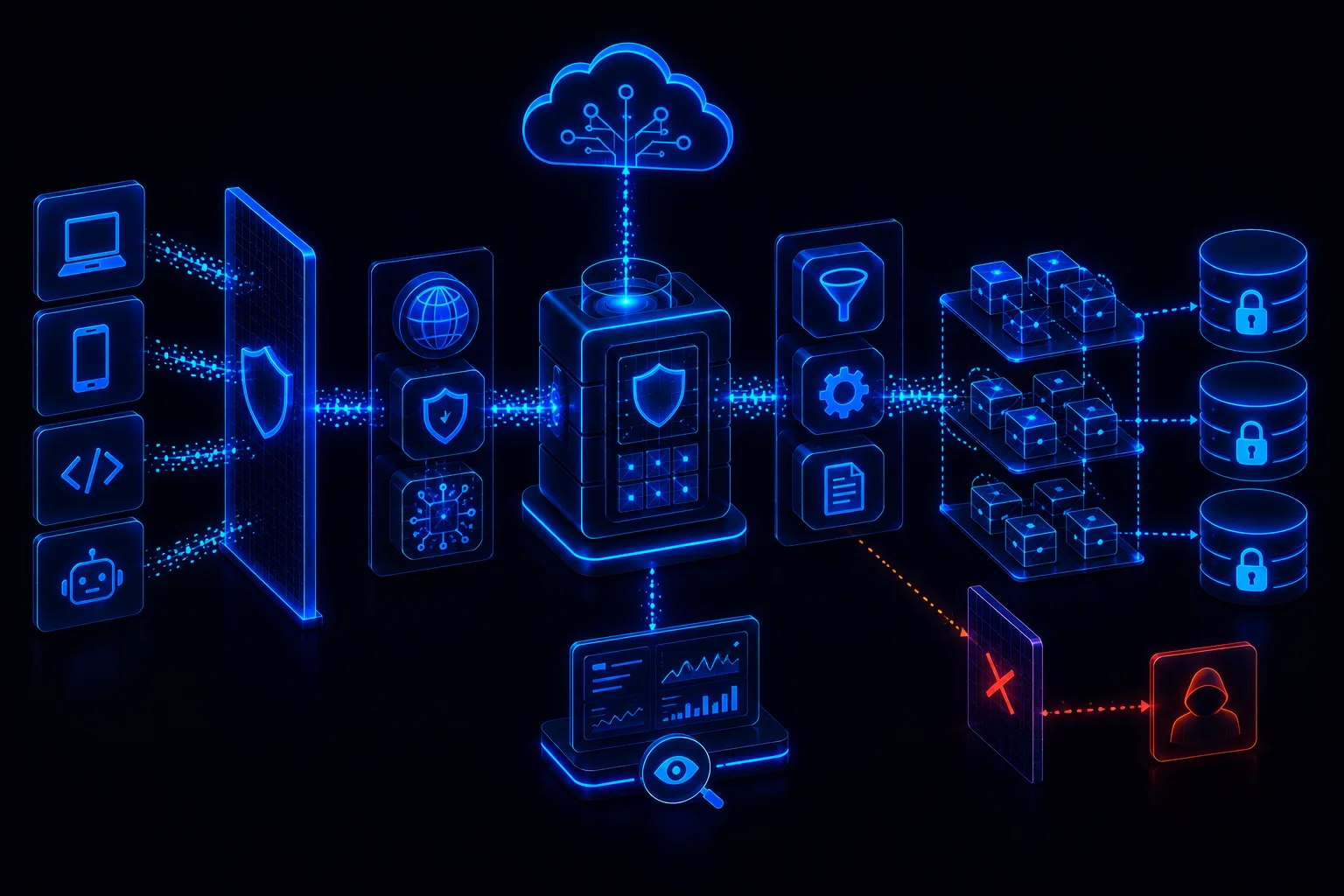
Cloud security for AI workloads requires inventorying AI assets, protecting model endpoints, securing GPU and notebook environments, managing secrets, locking down object storage and vector stores, scanning containers, limiting egress, monitoring cost, and integrating AI infrastructure into normal cloud security operations.
10 min read
LLMOps Security: CI/CD, Secrets, Eval Gates, Model Registry Controls, and Deployment Promotion
Defend

LLMOps Security: CI/CD, Secrets, Eval Gates, Model Registry Controls, and Deployment Promotion

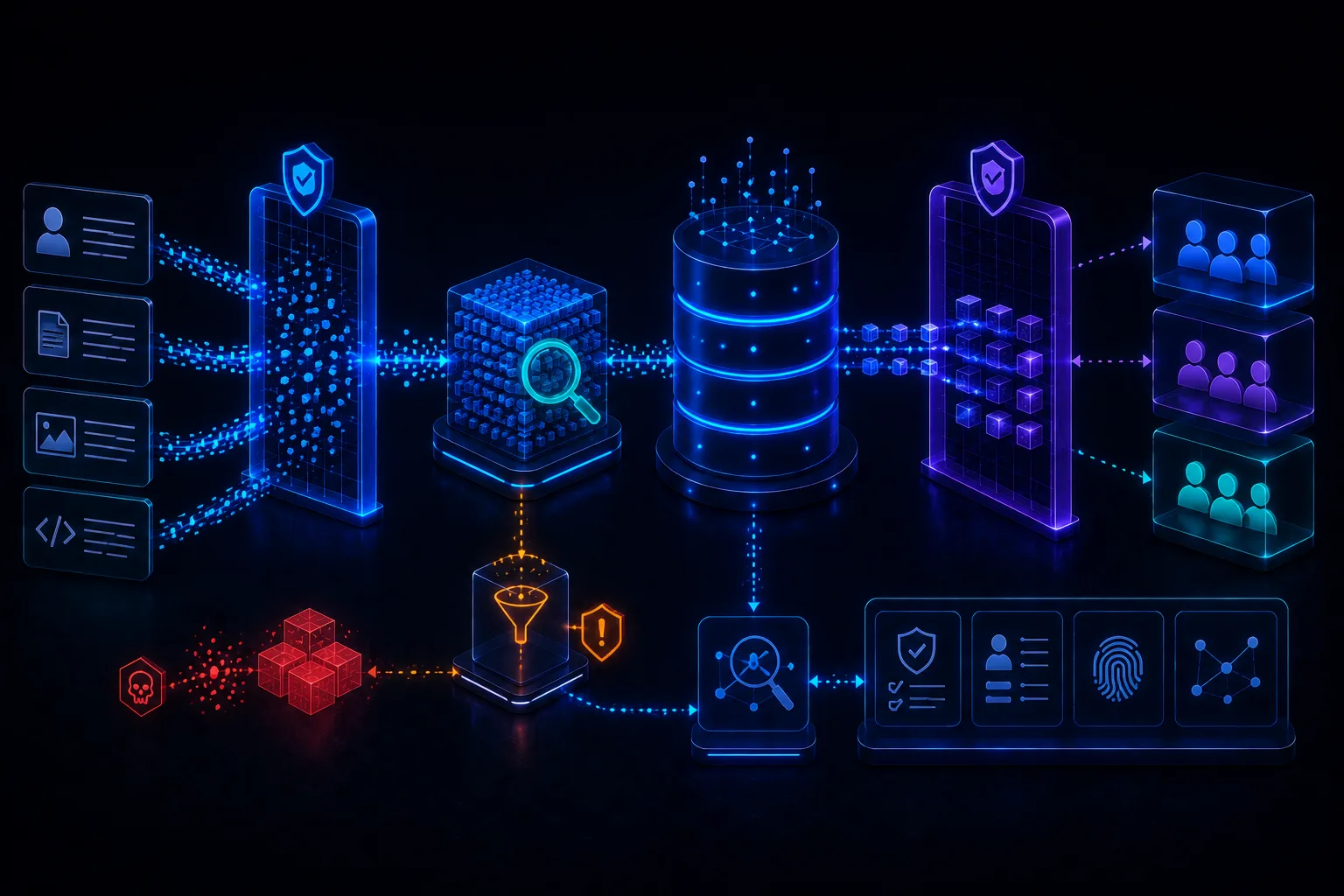
LLMOps security requires CI/CD controls for prompts, tools, model configuration, provider routing, evals, secrets, registries, deployment promotion, monitoring, rollback, and governance evidence. AI release processes must track every artifact that can change system behavior.
10 min read
Securing Open-Source Models: What to Check Before Running a Model in Production
Defend

Securing Open-Source Models: What to Check Before Running a Model in Production

Open-source models require a production intake process covering provenance, license review, file formats, remote code, unsafe serialization, dependencies, containers, evals, serving infrastructure, monitoring, rollback, and governance evidence.
11 min read
Model Supply Chain Security: From Hugging Face to Docker Images to Fine-Tuned Weights
Defend

Model Supply Chain Security: From Hugging Face to Docker Images to Fine-Tuned Weights

The model supply chain is now a real security boundary. Teams pull weights, adapters, datasets, containers, and prompts from many places. Without provenance, the release path becomes impossible to trust.

3 min read